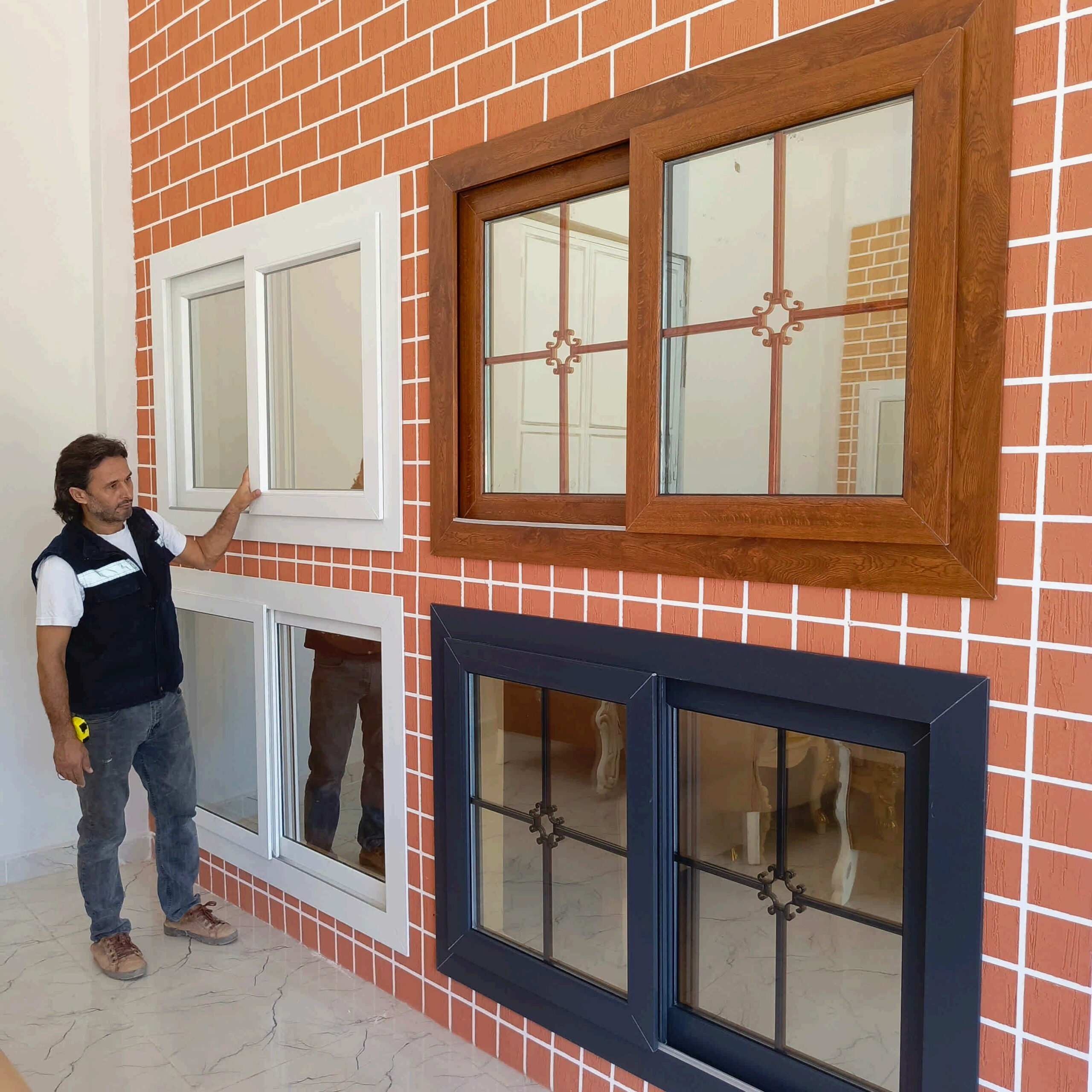
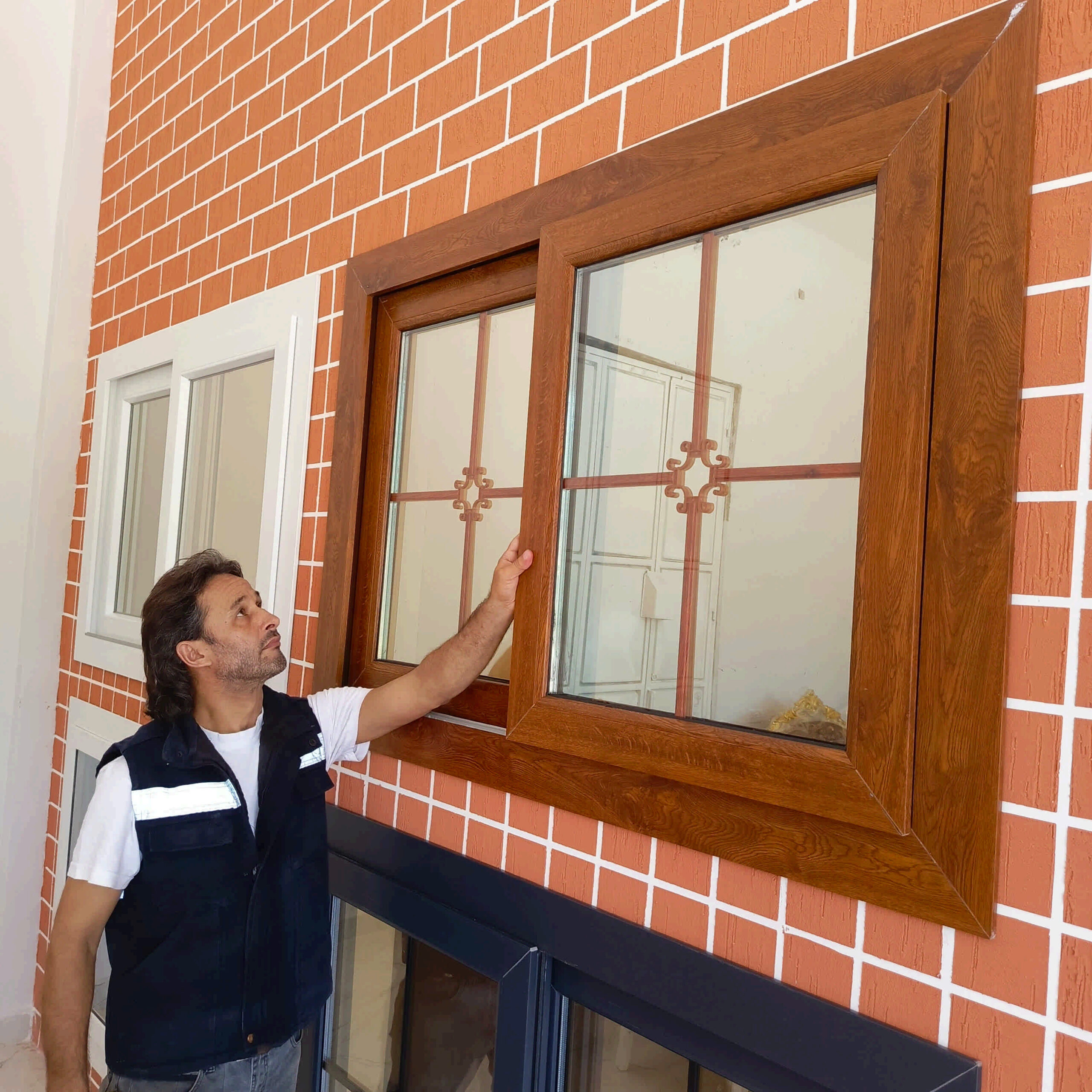
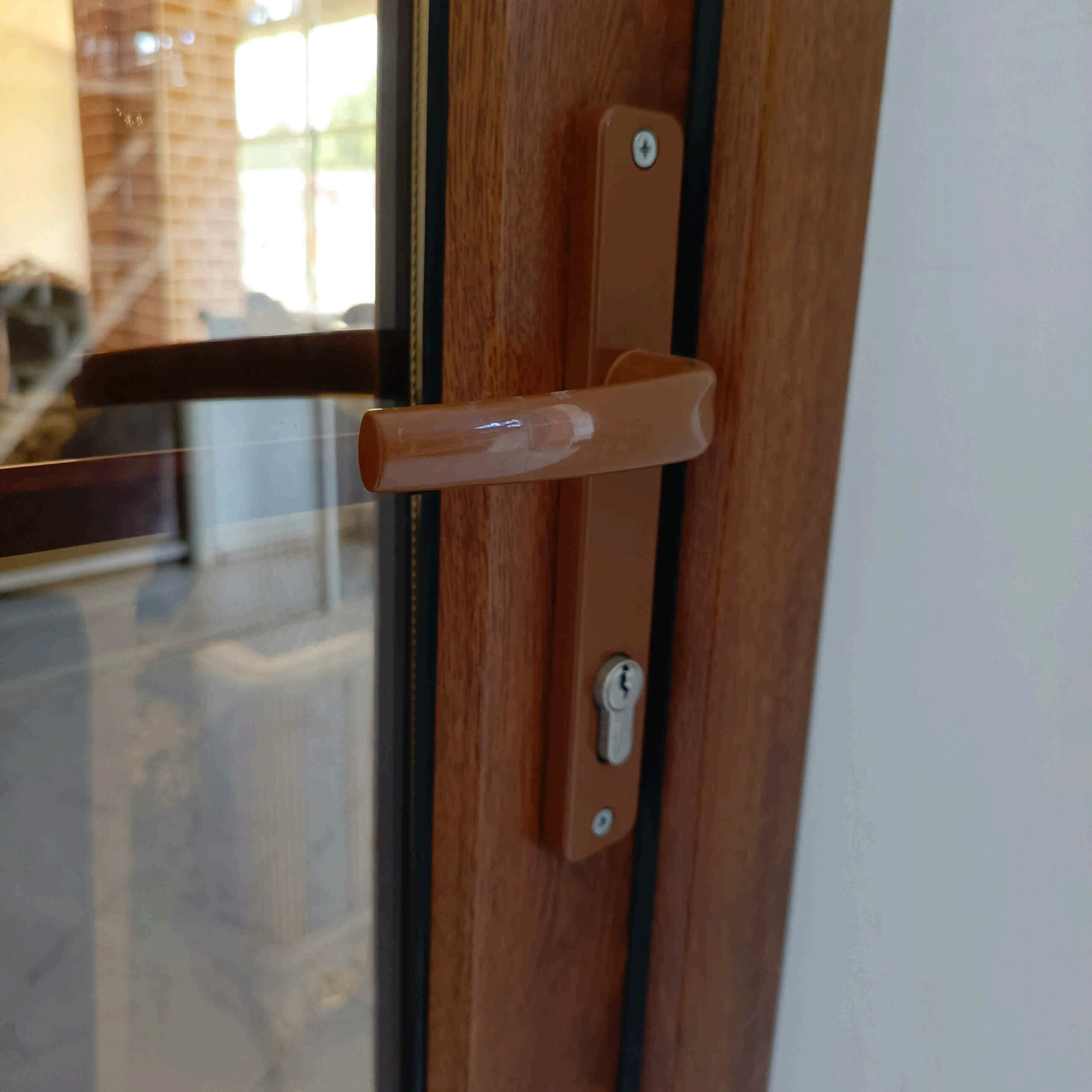
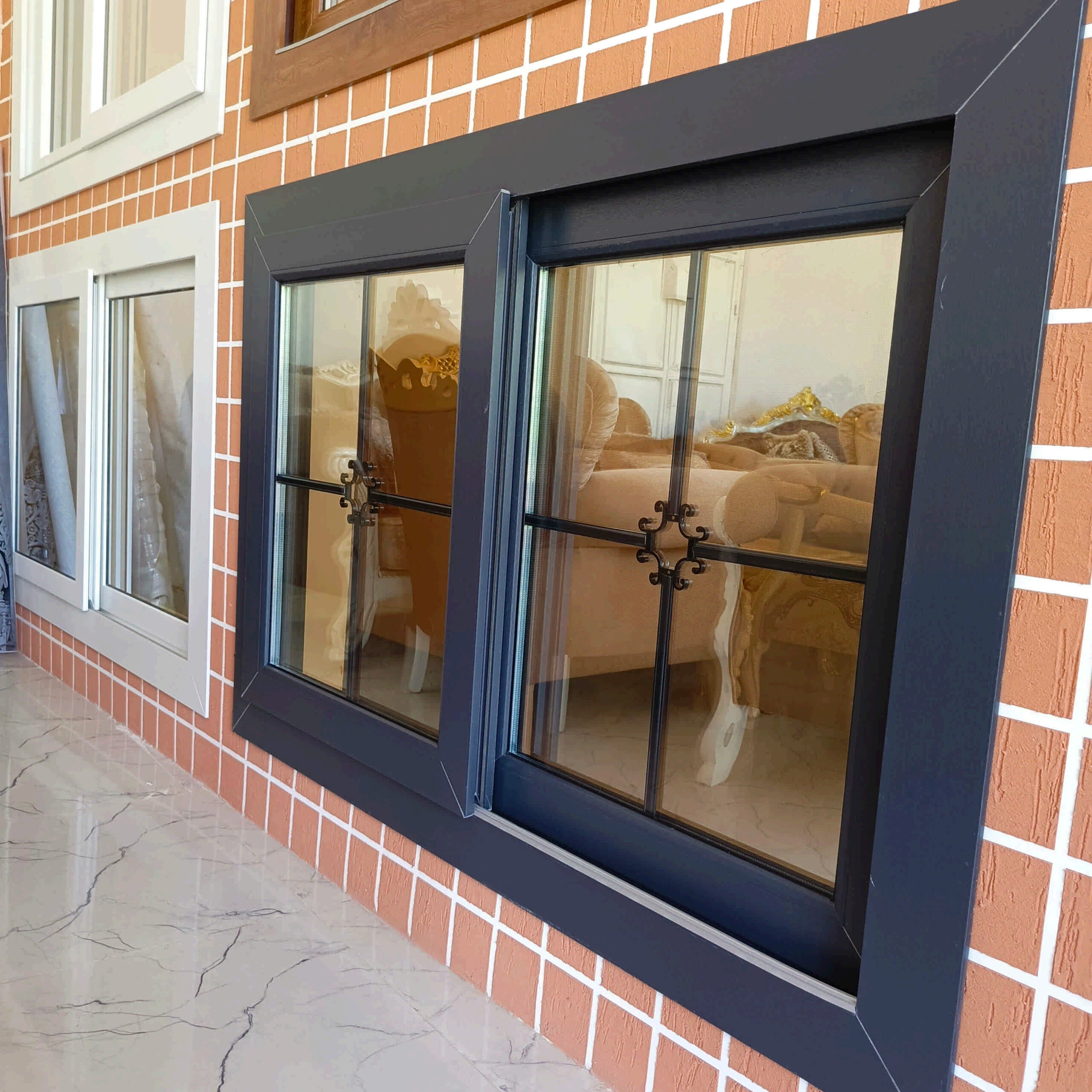
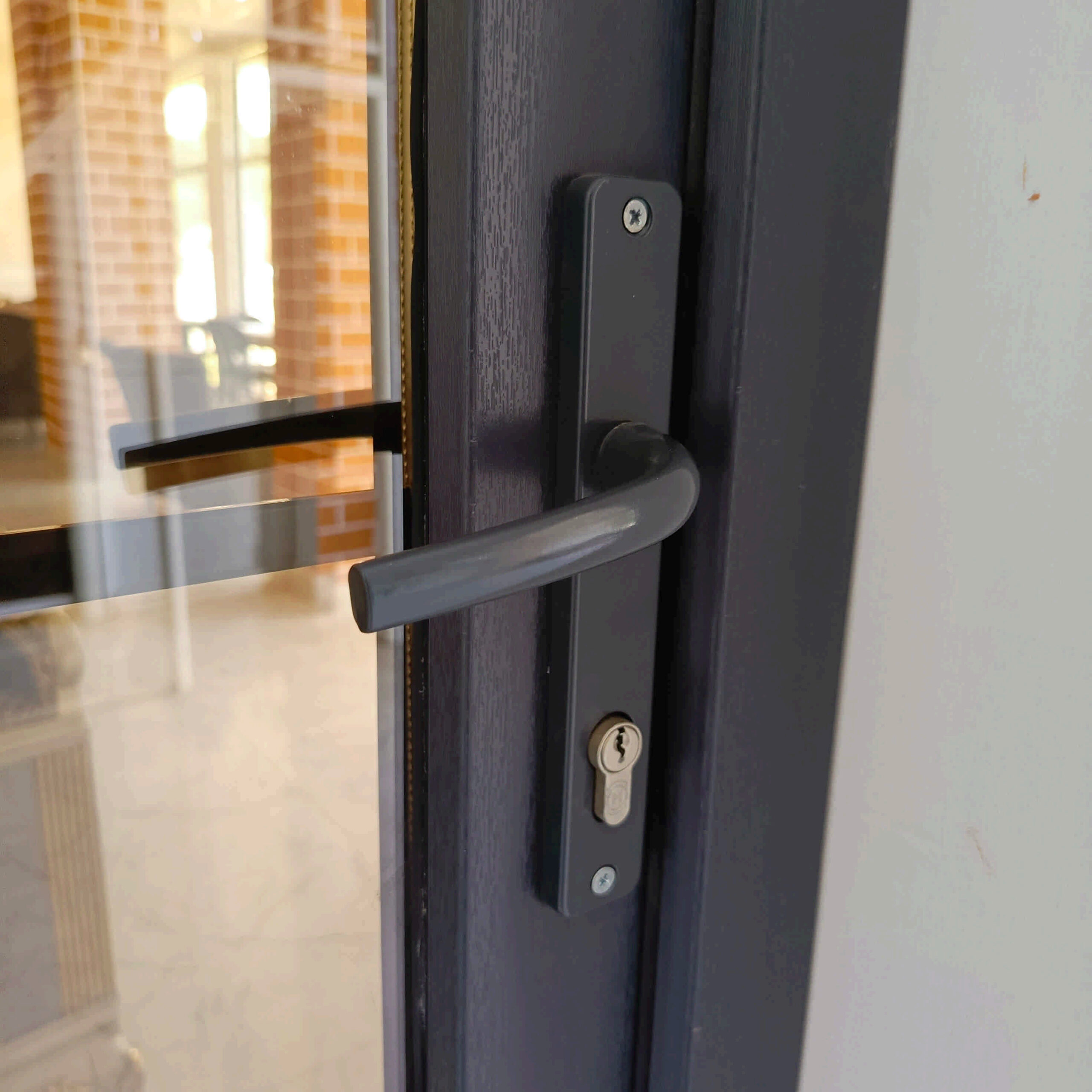
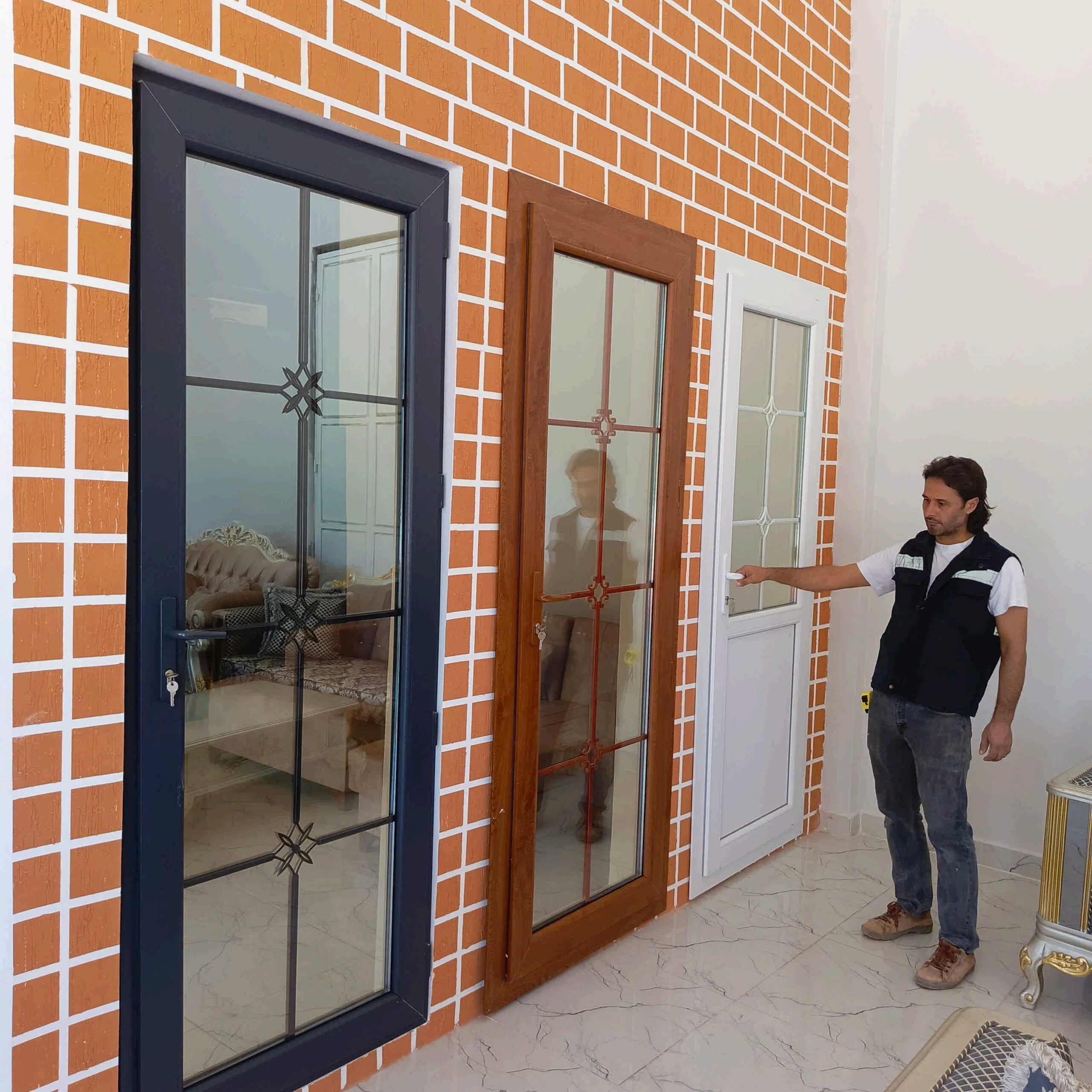
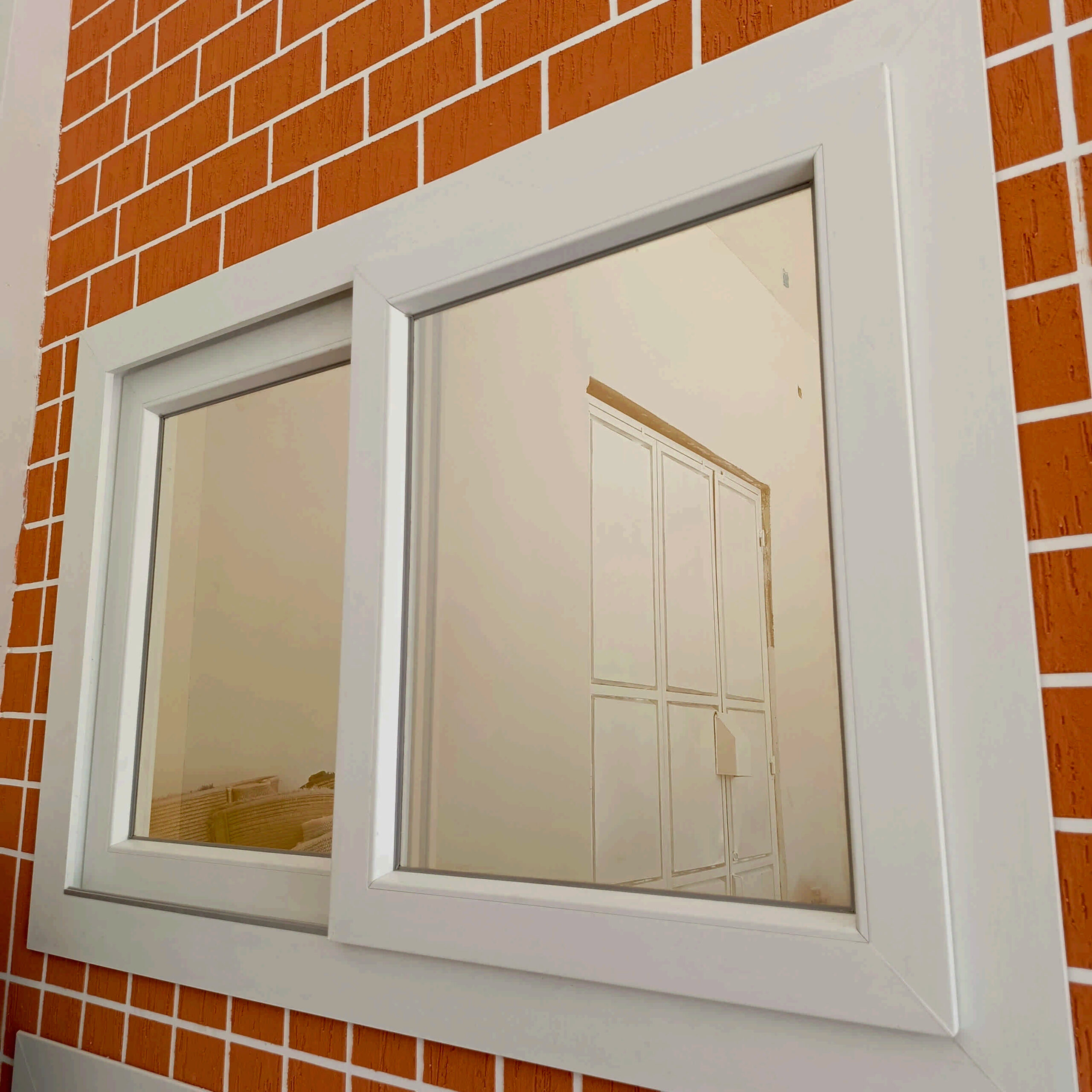
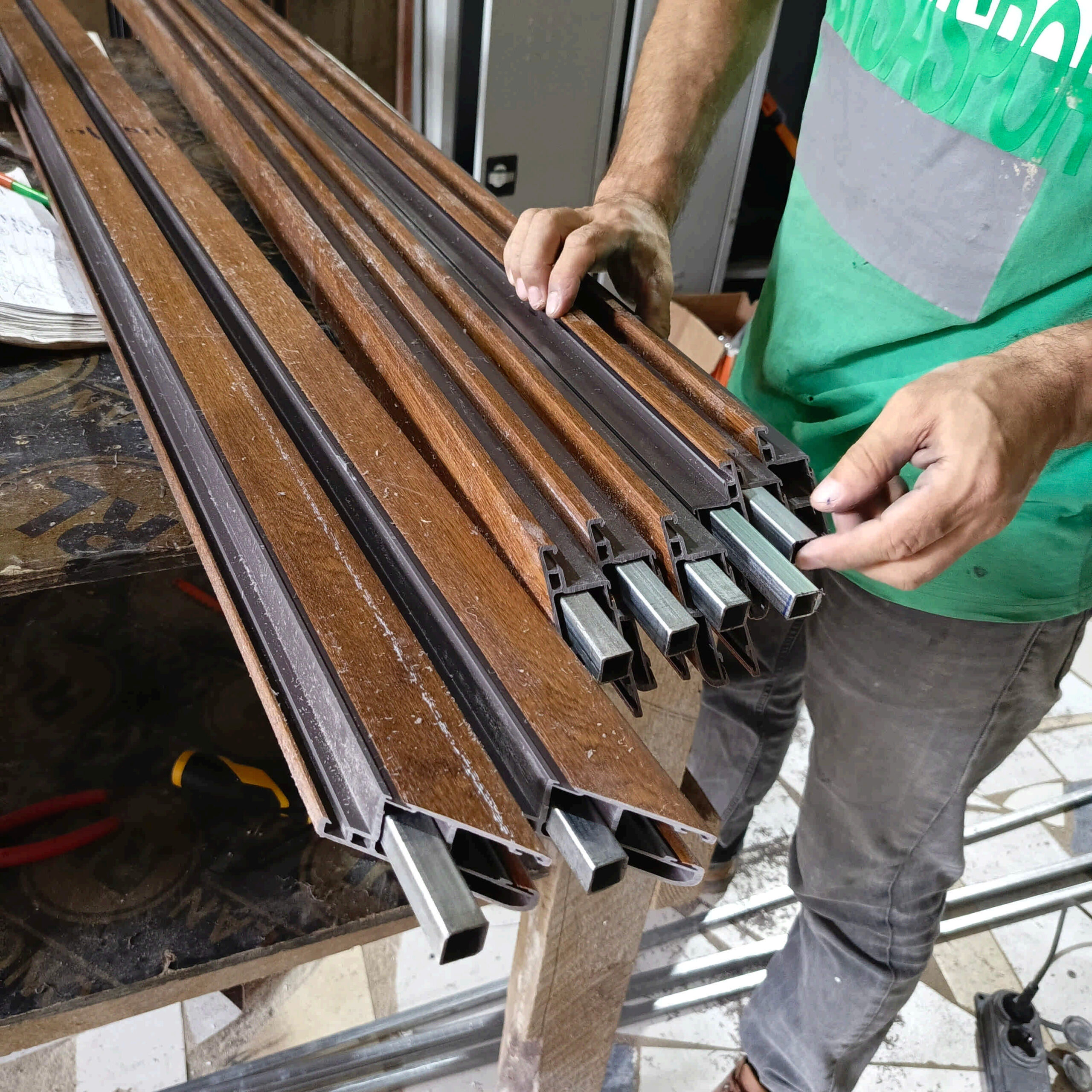
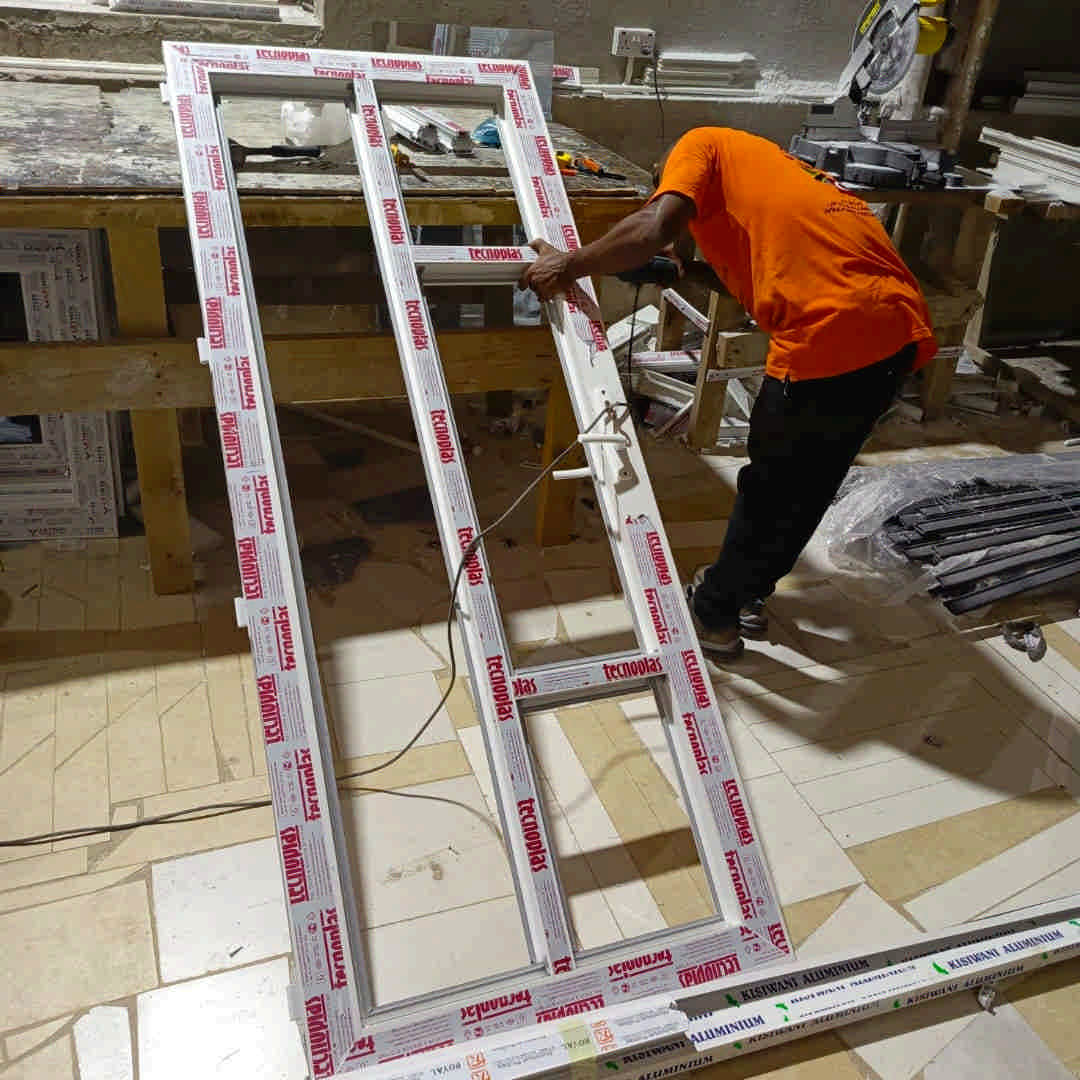
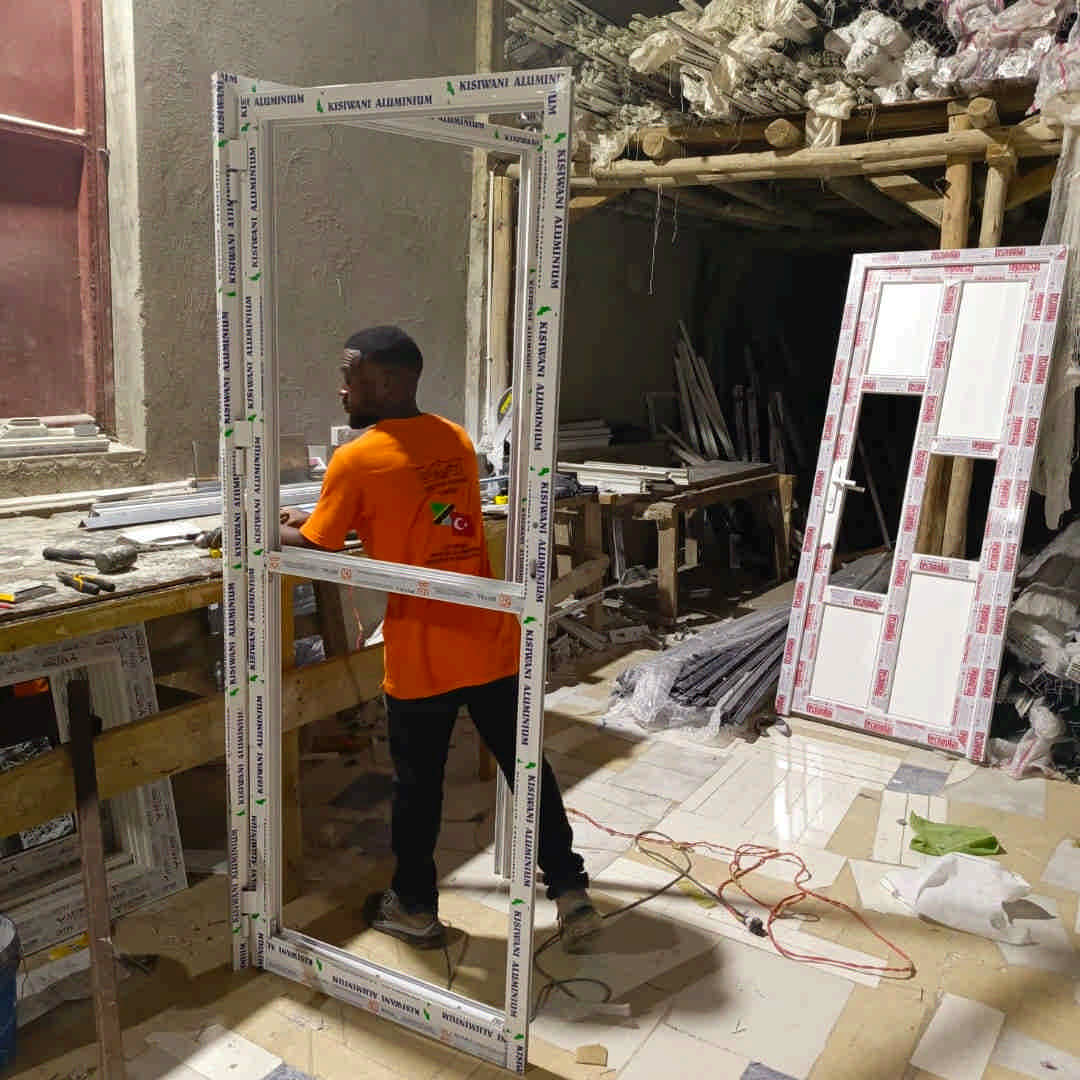
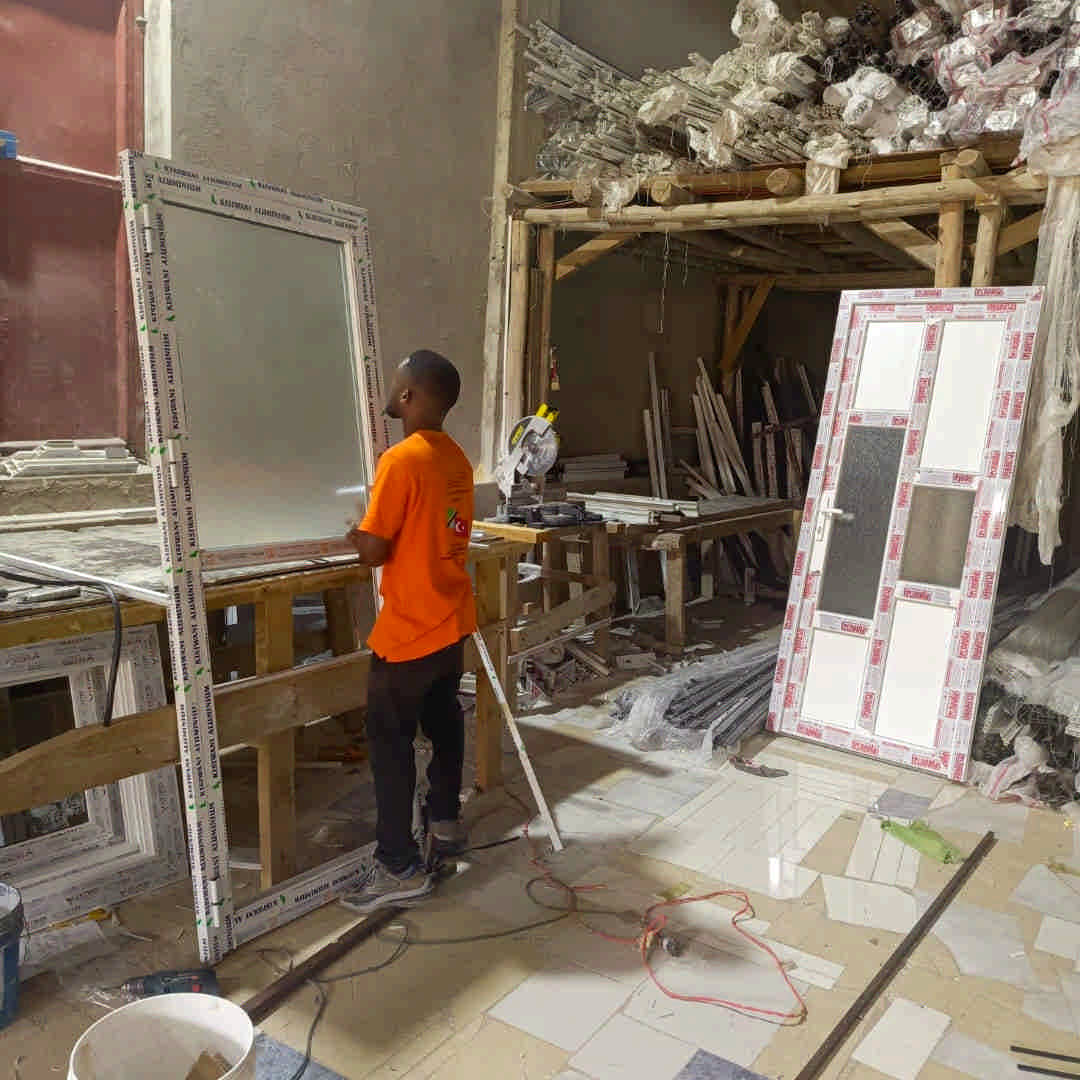
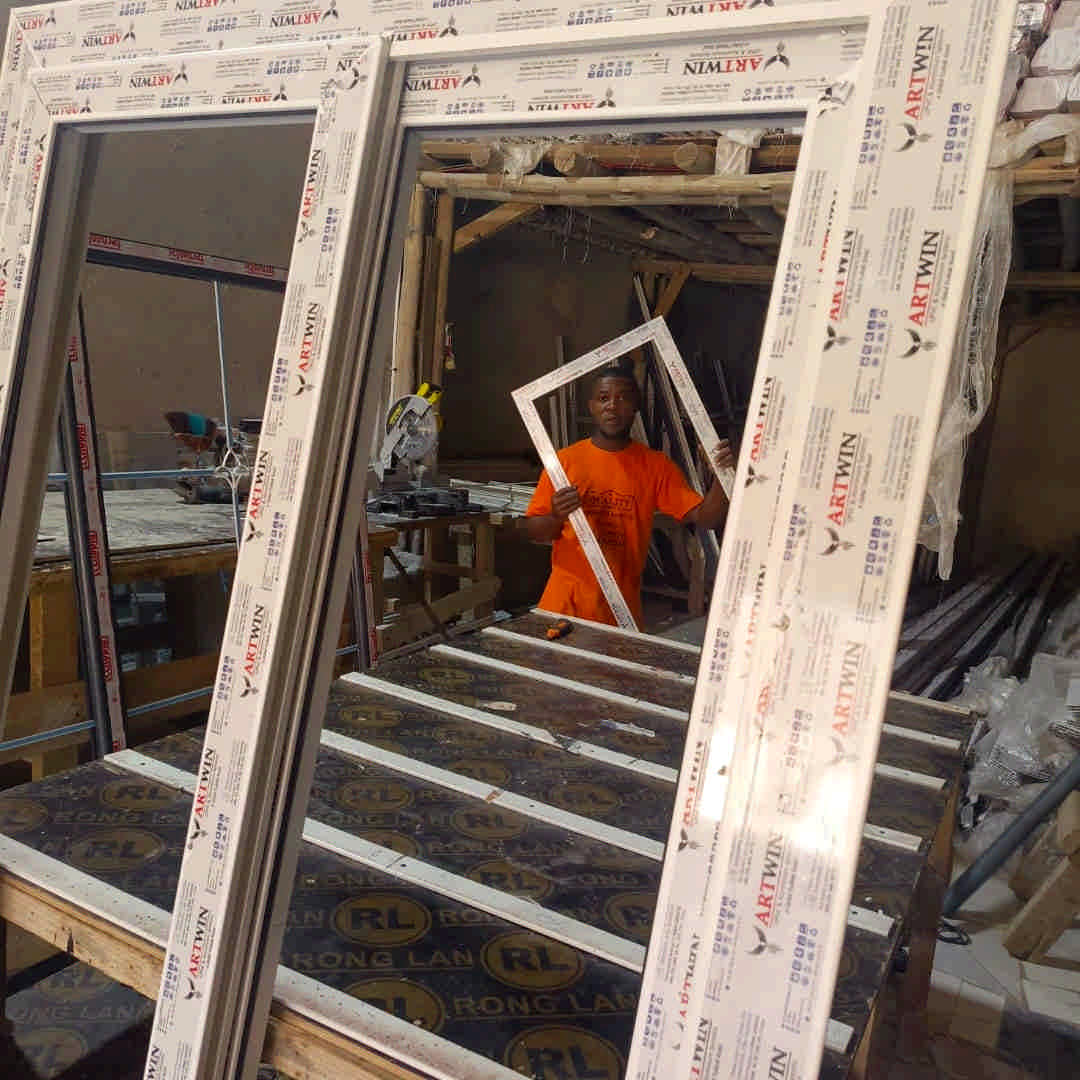
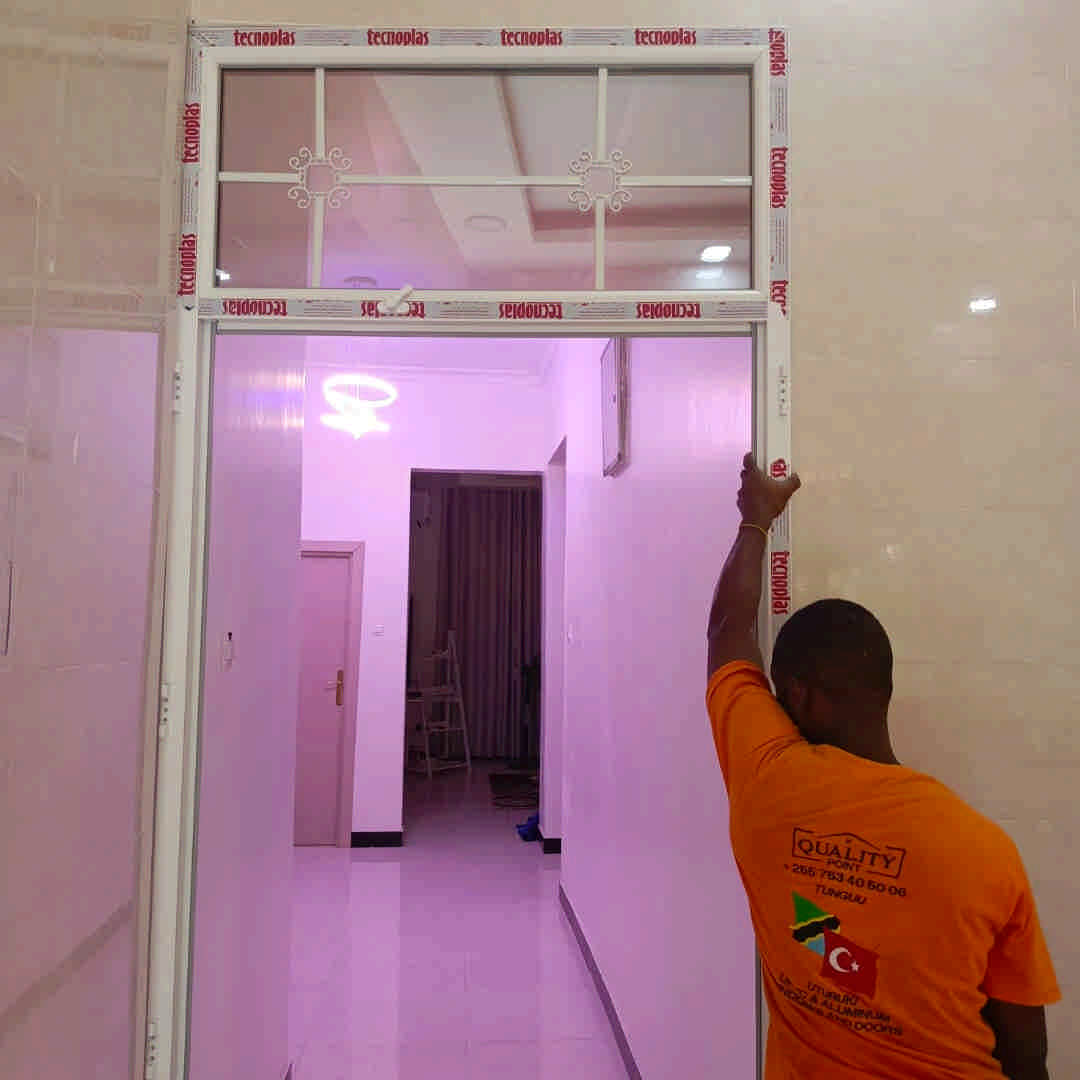
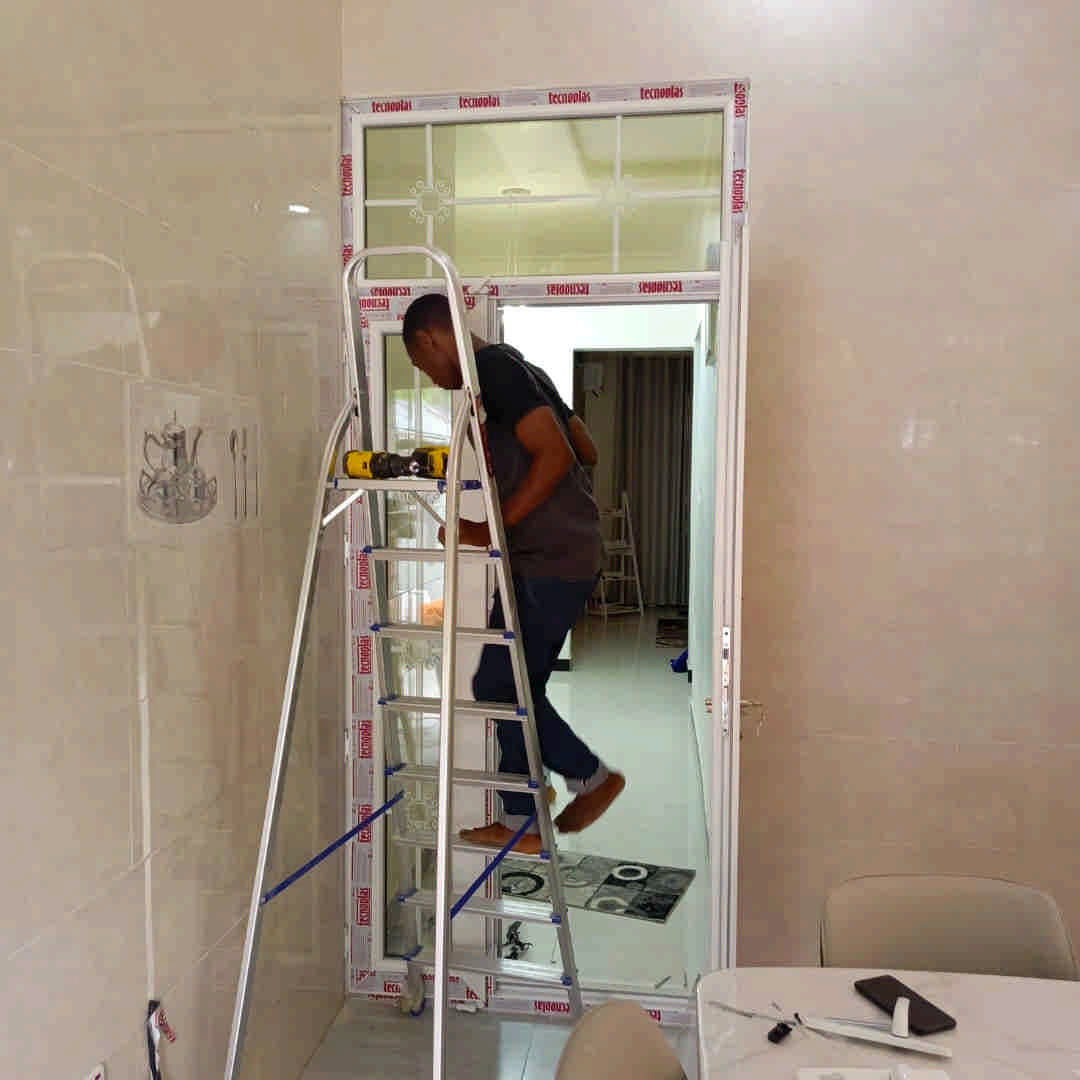
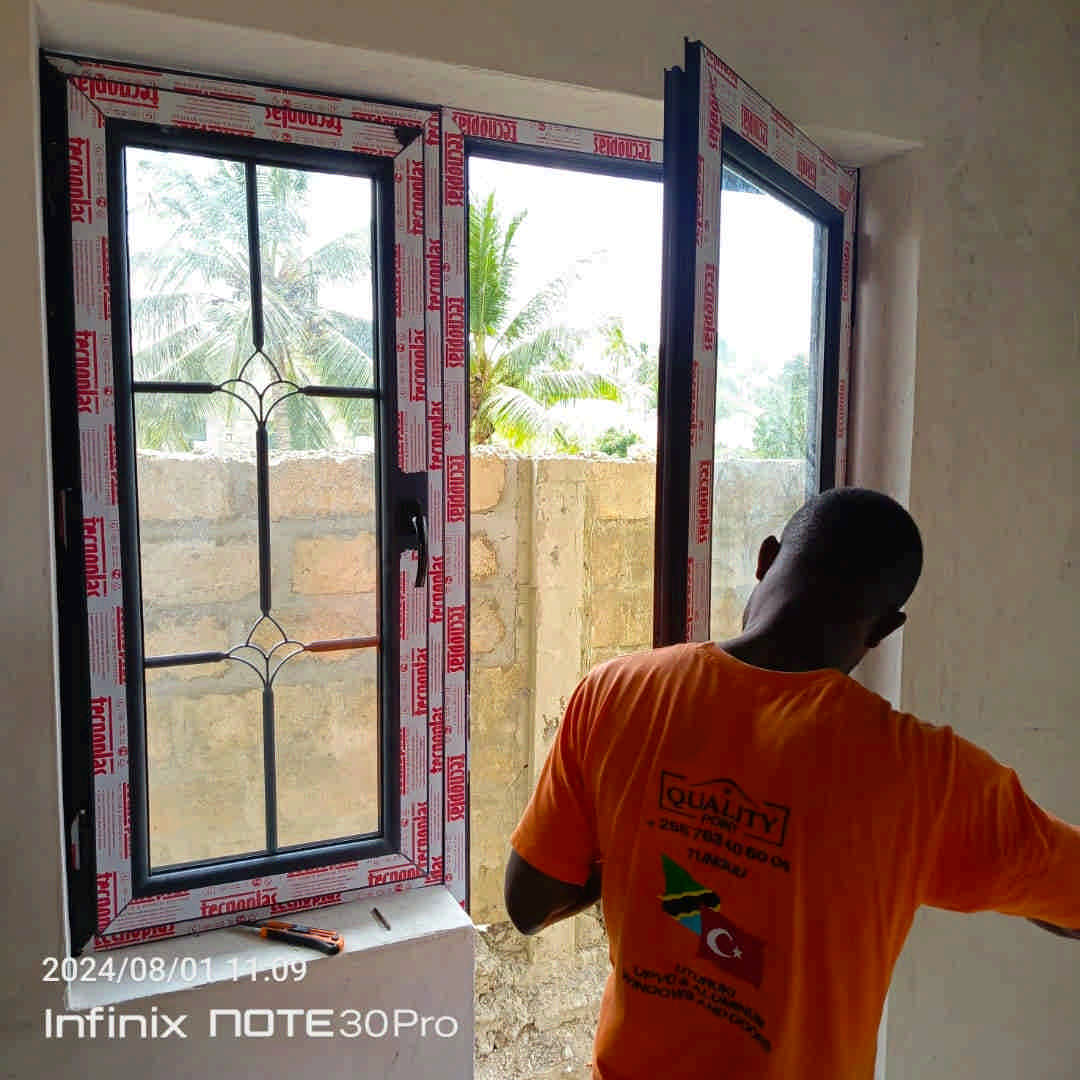
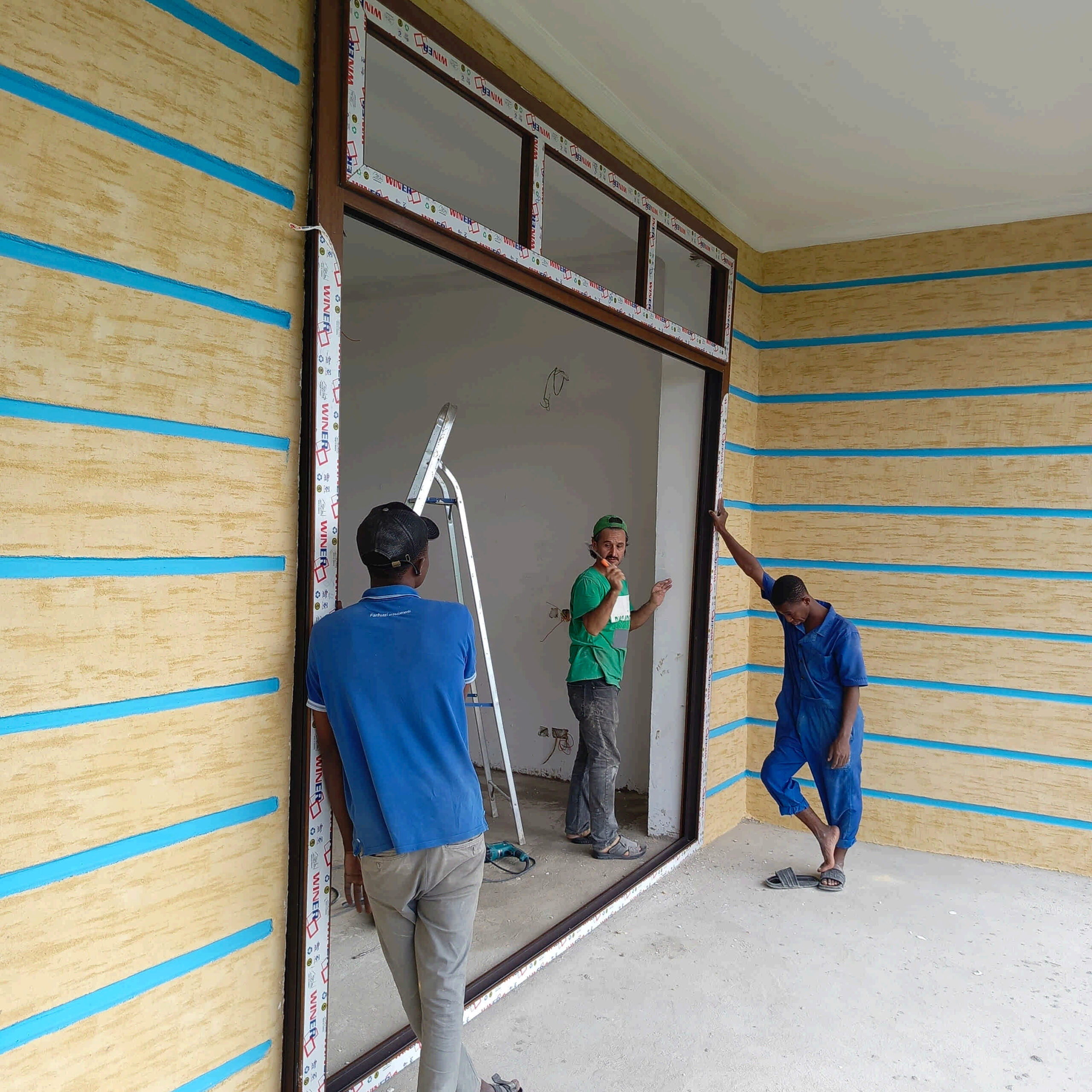
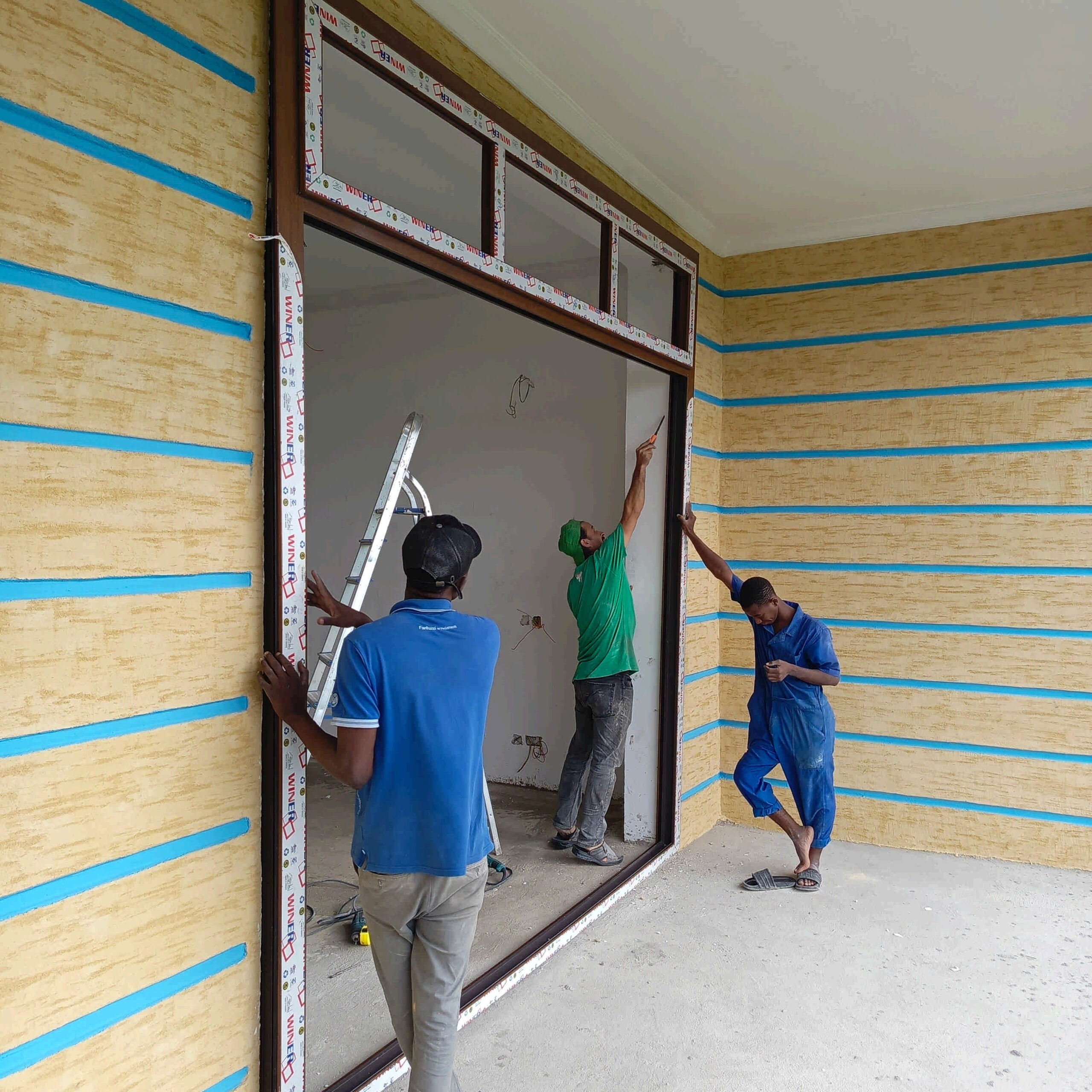
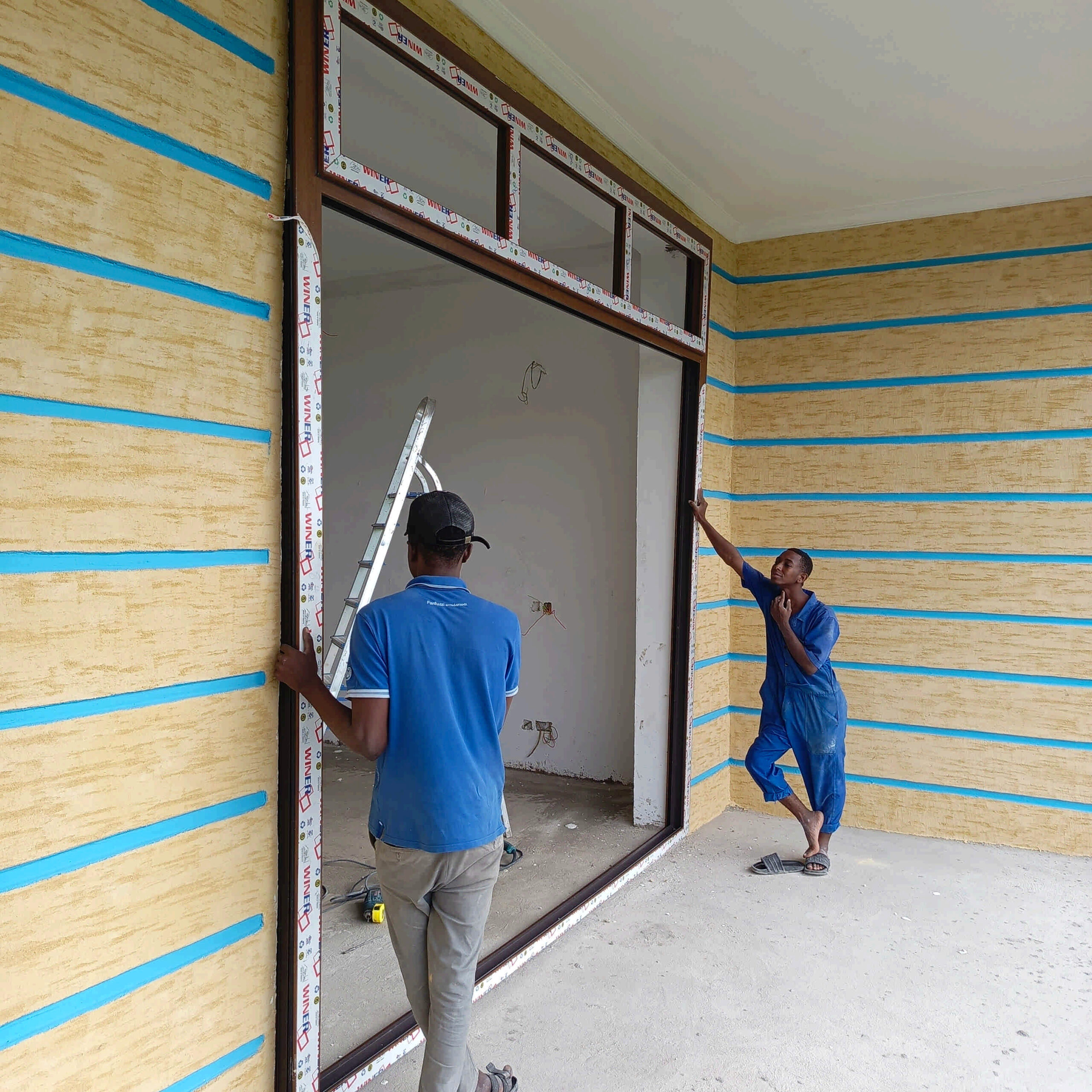
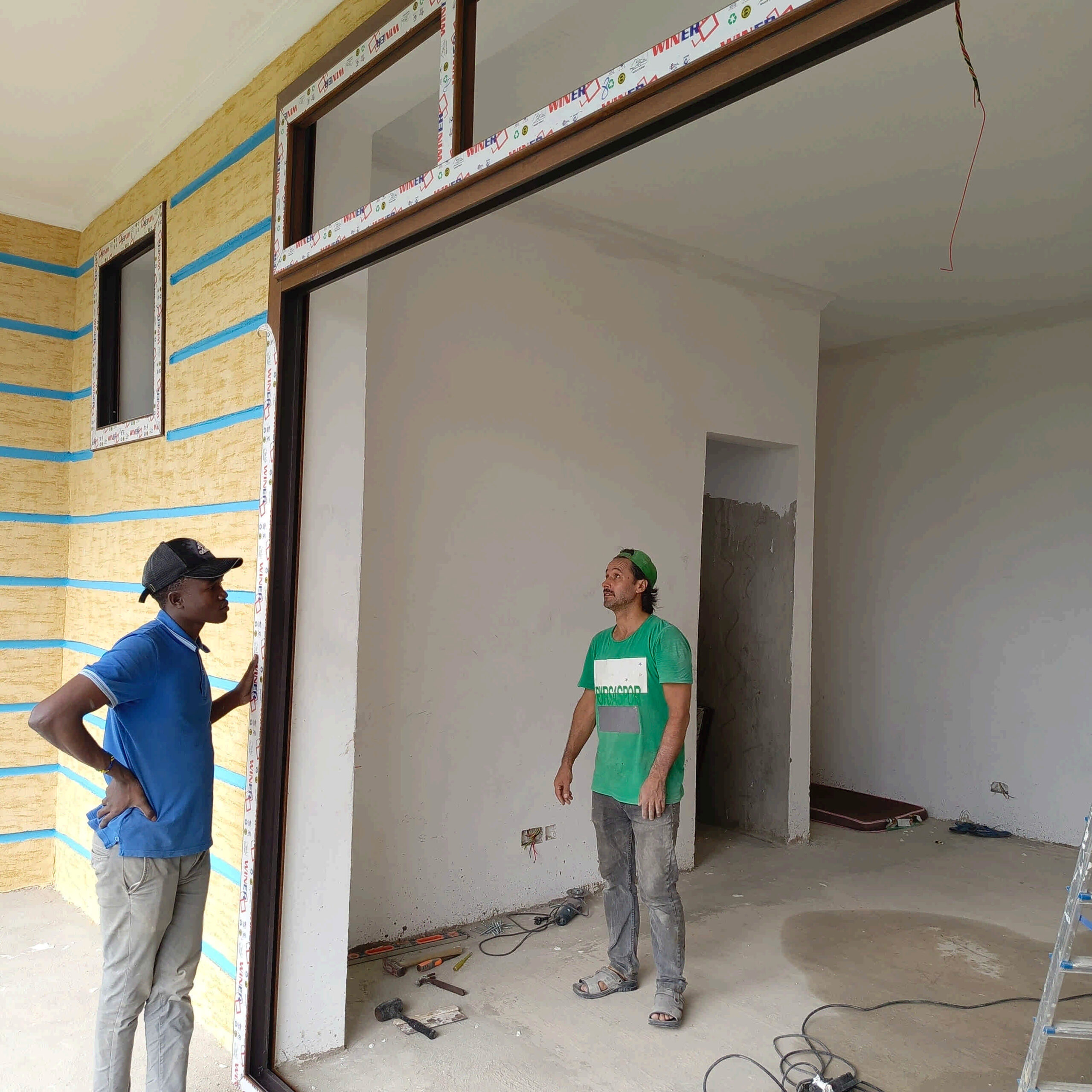
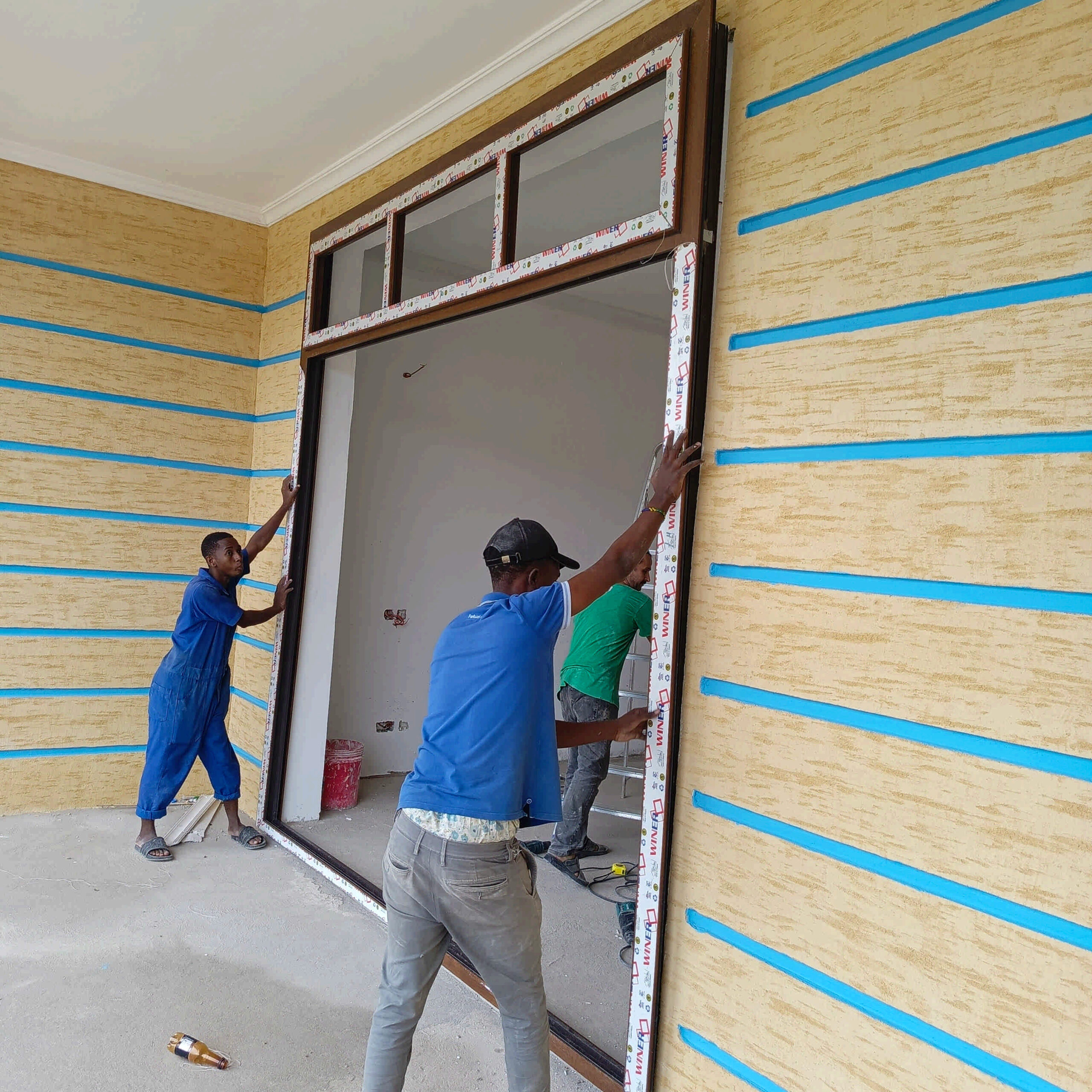
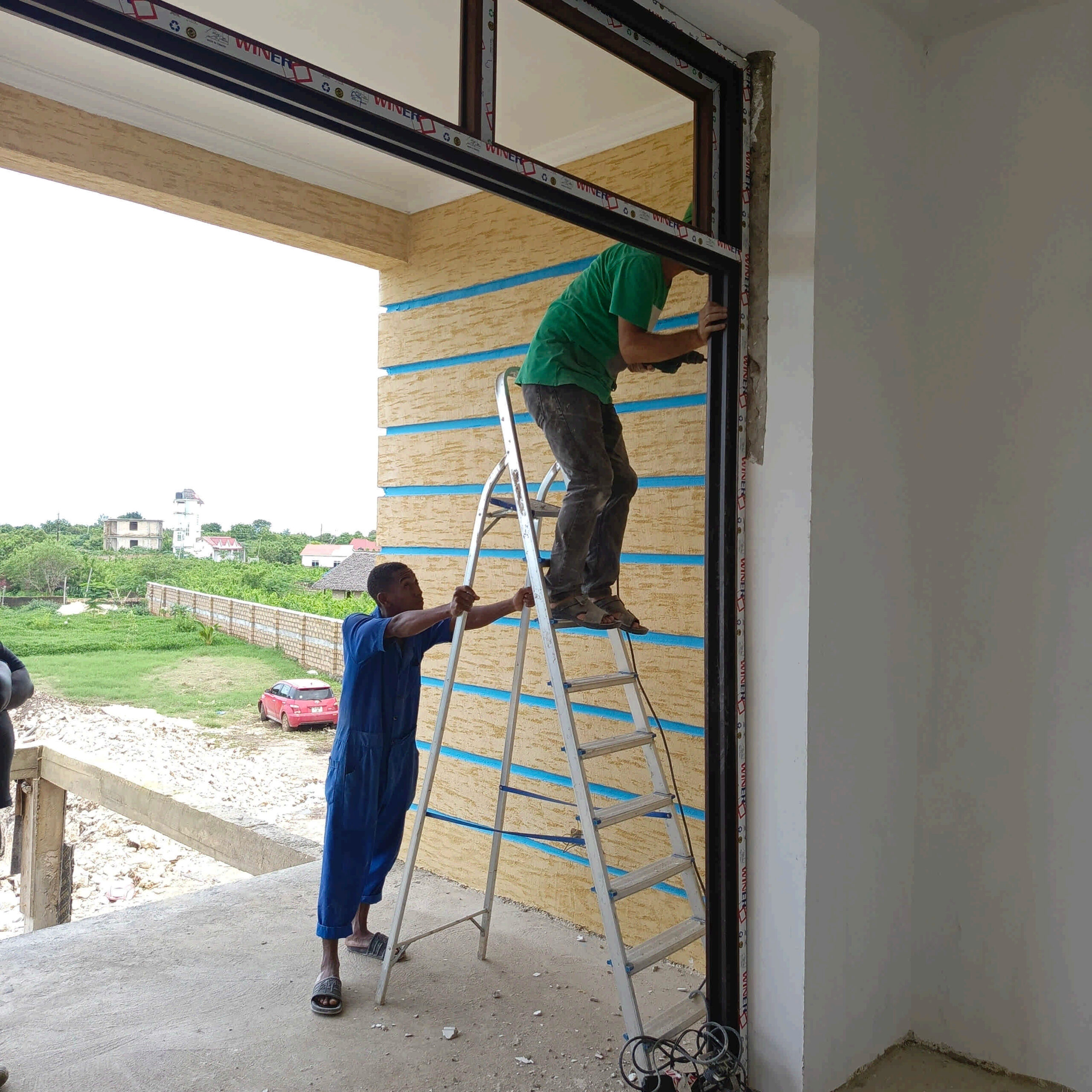
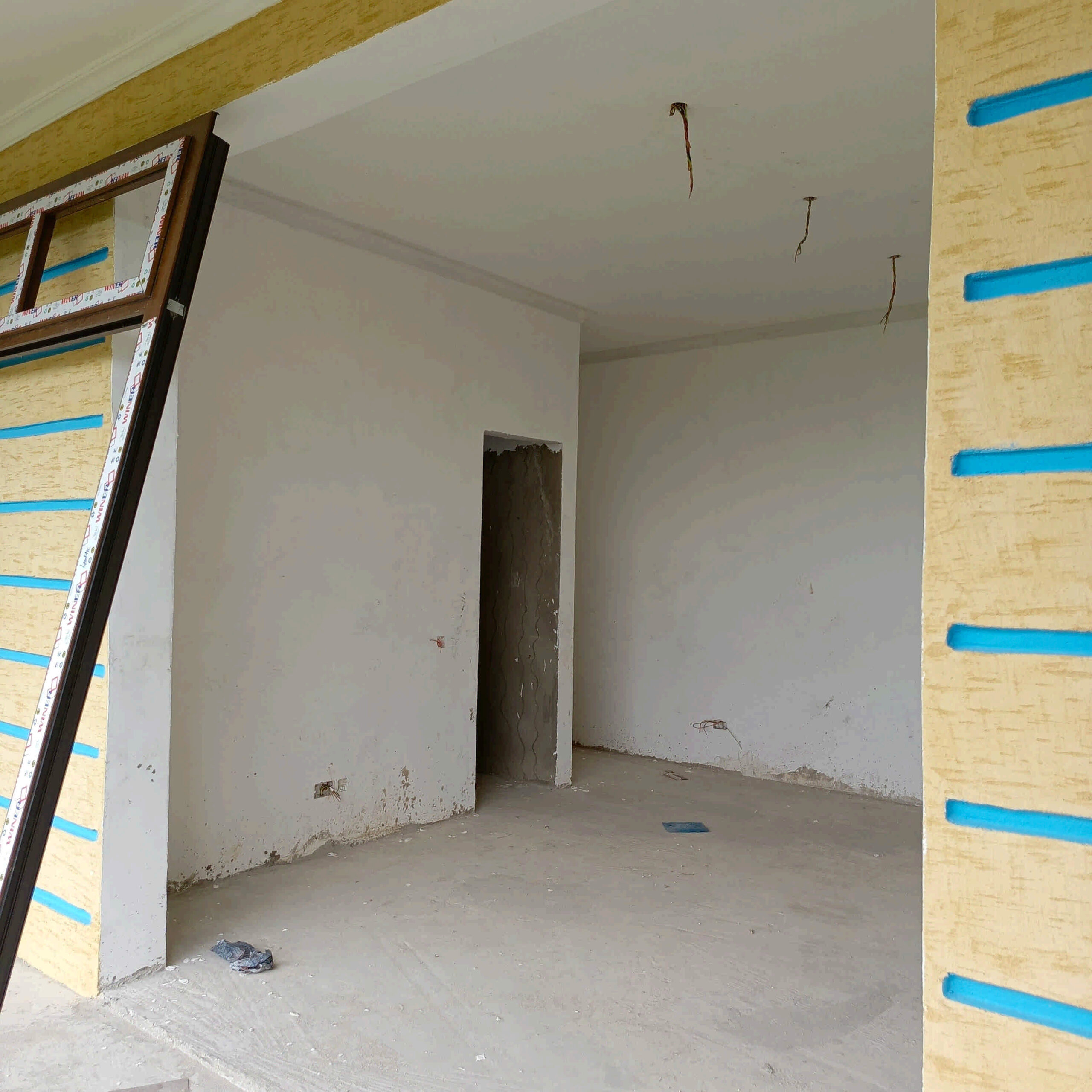
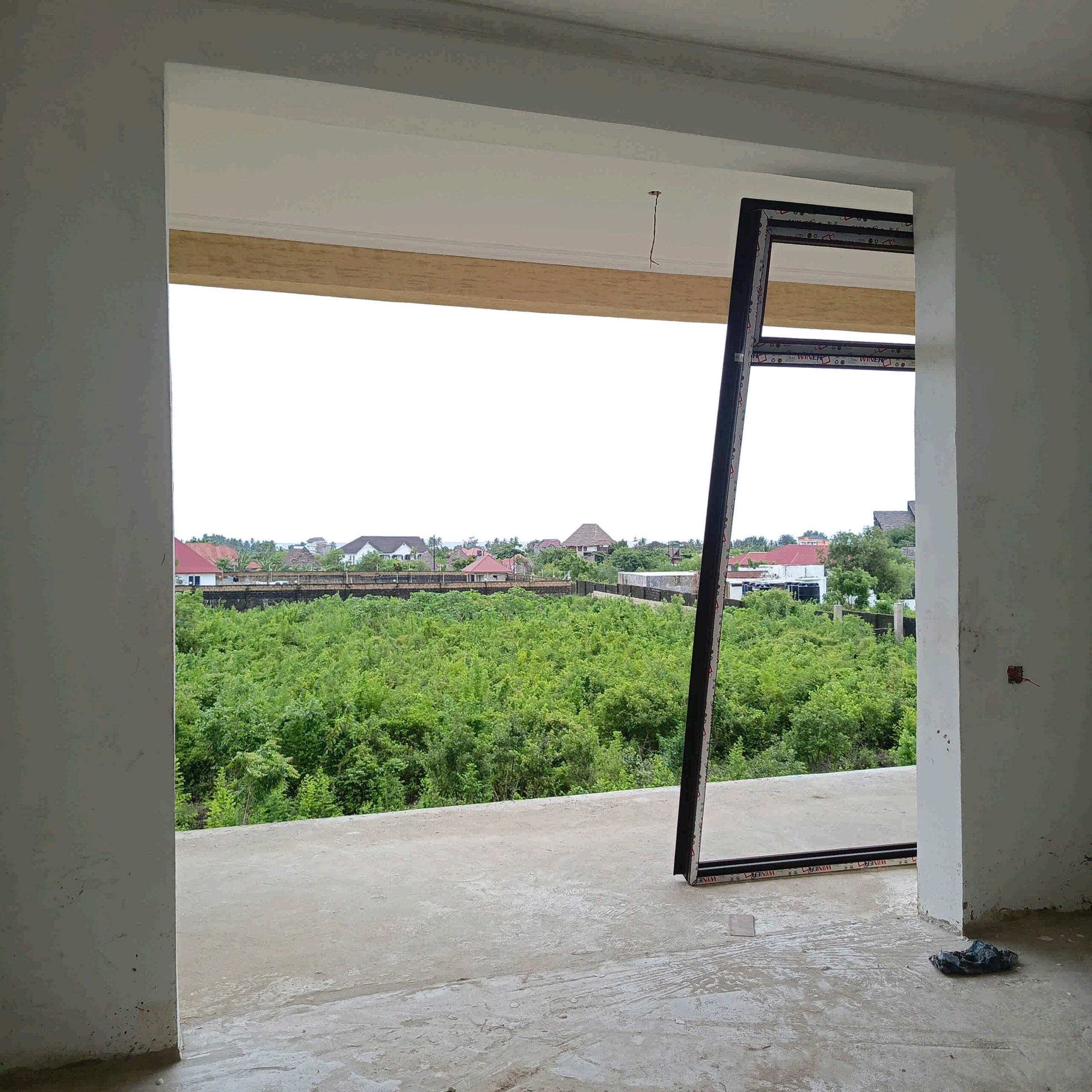
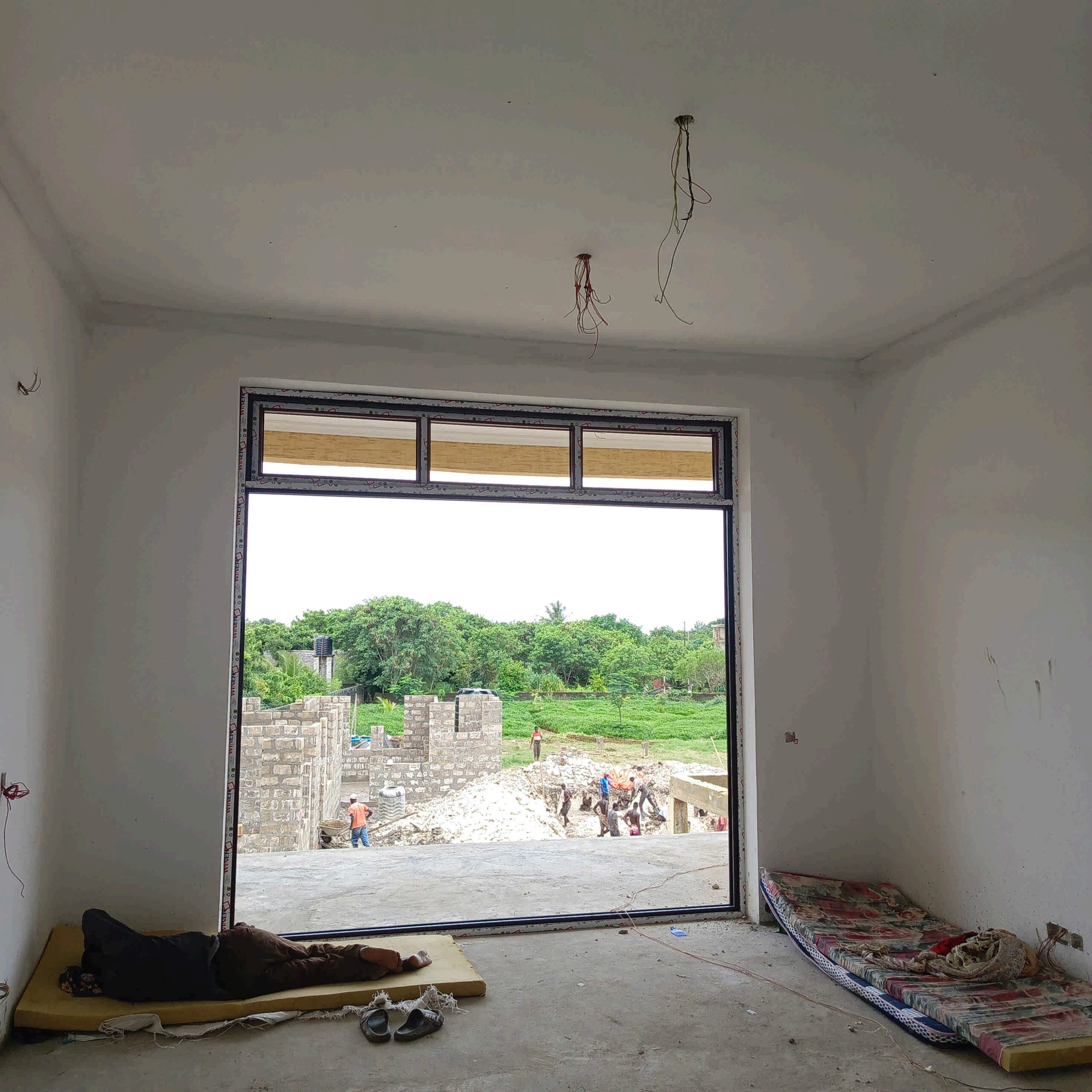
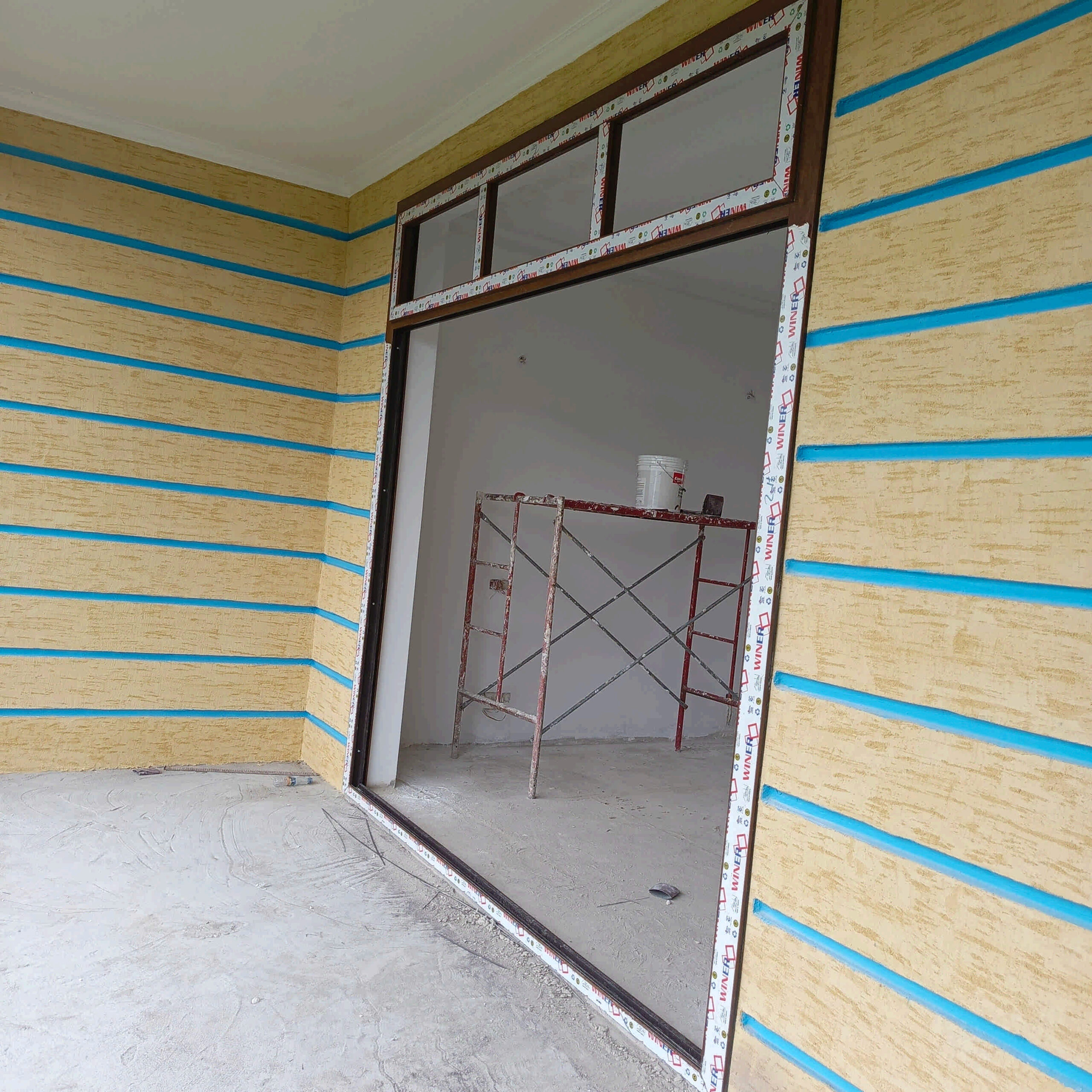
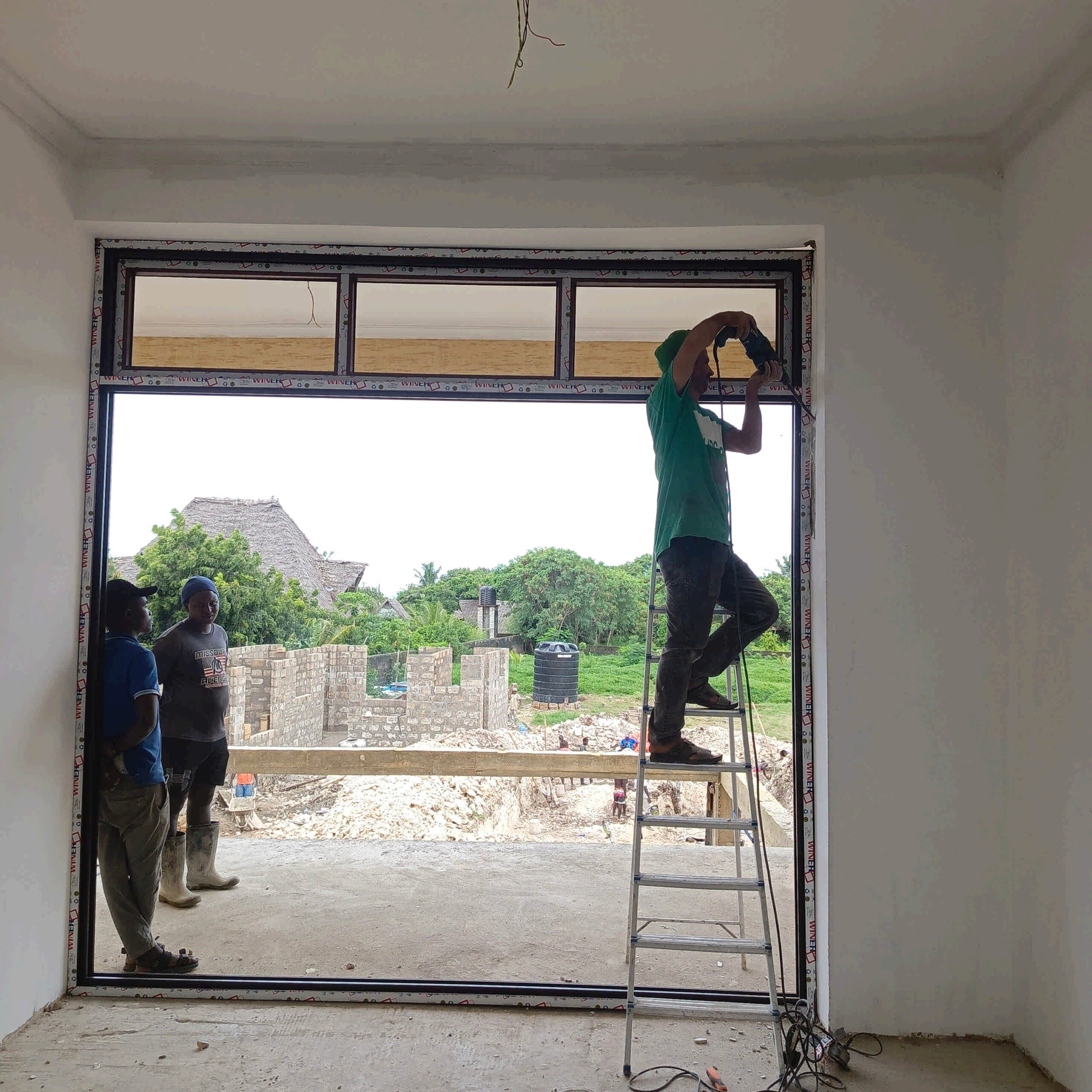
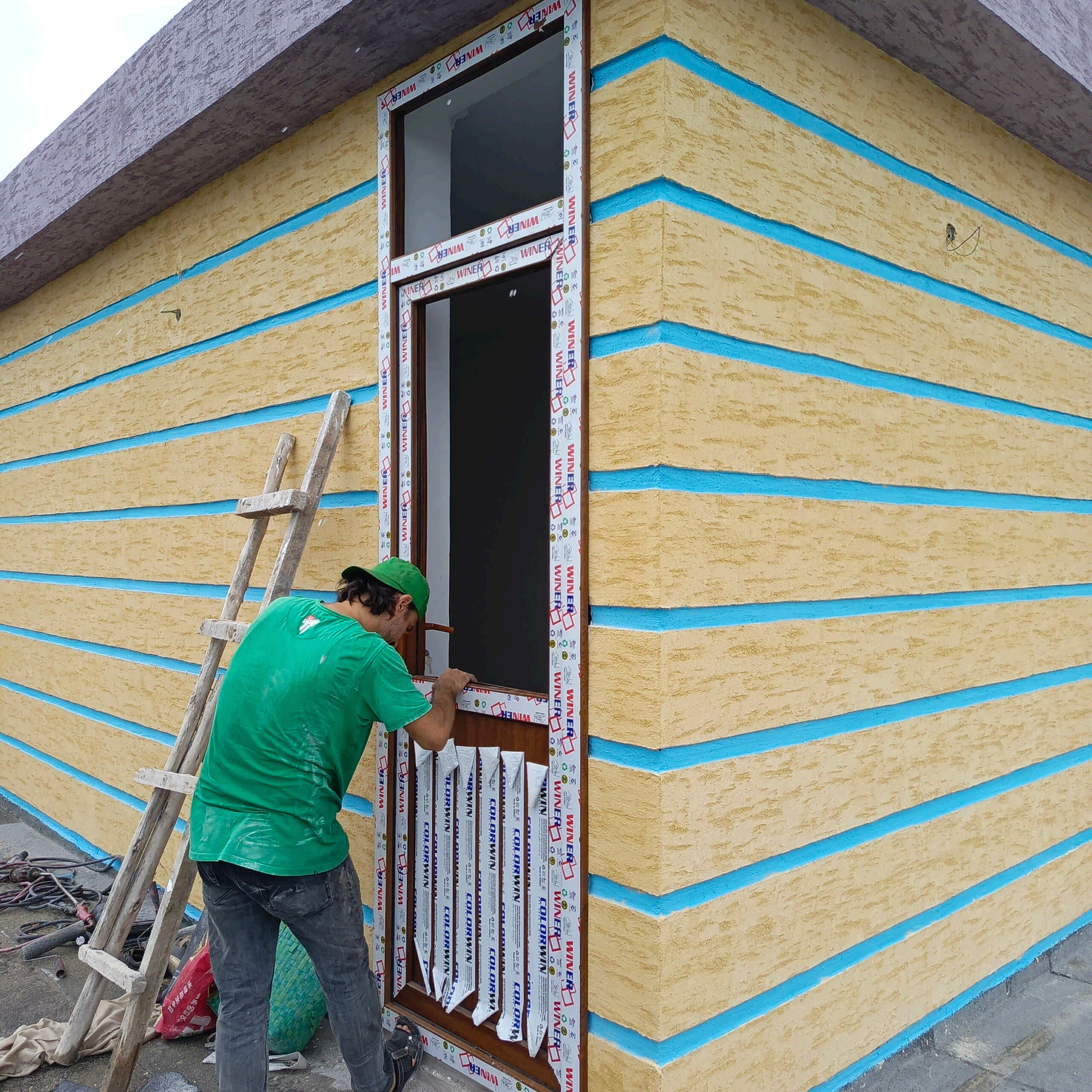
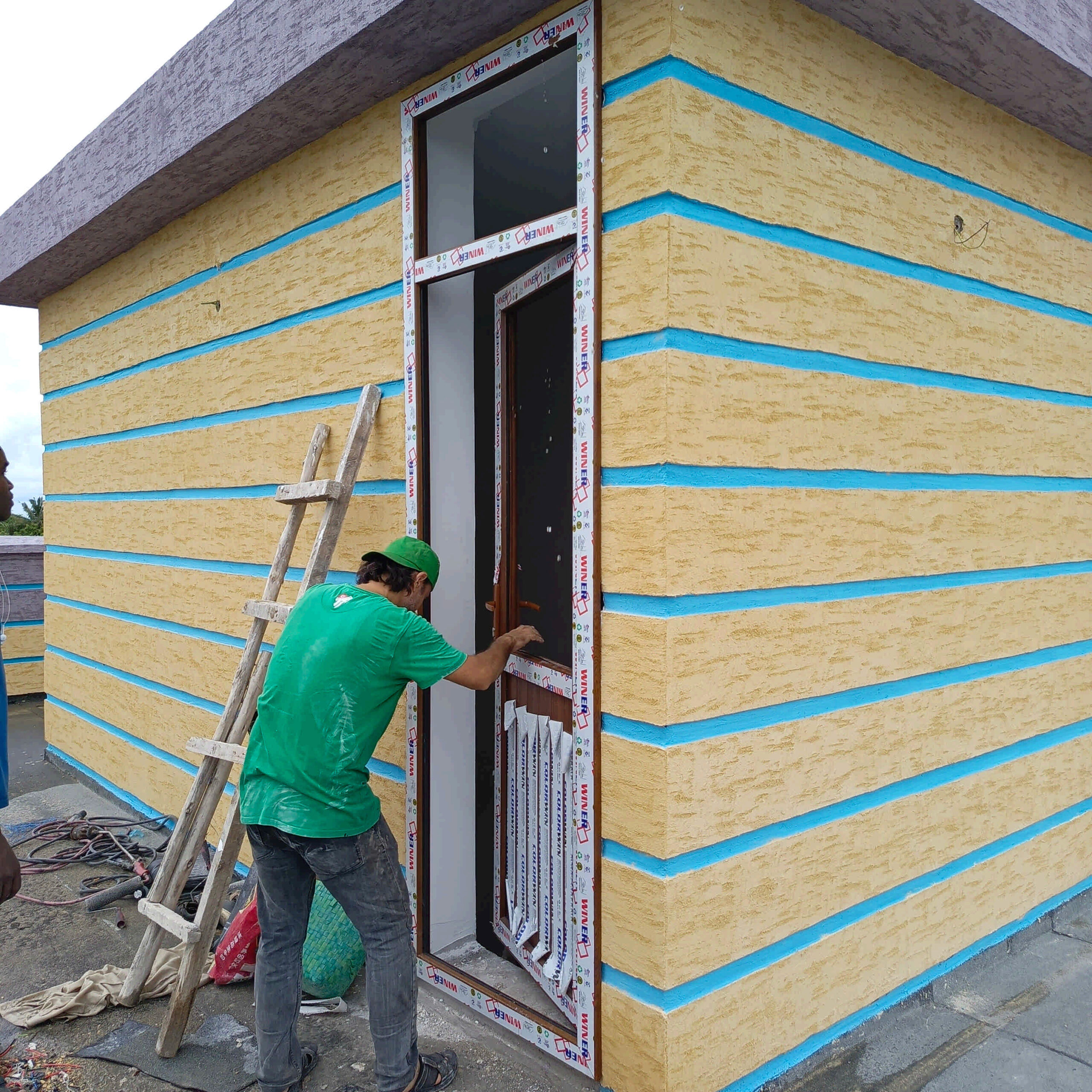
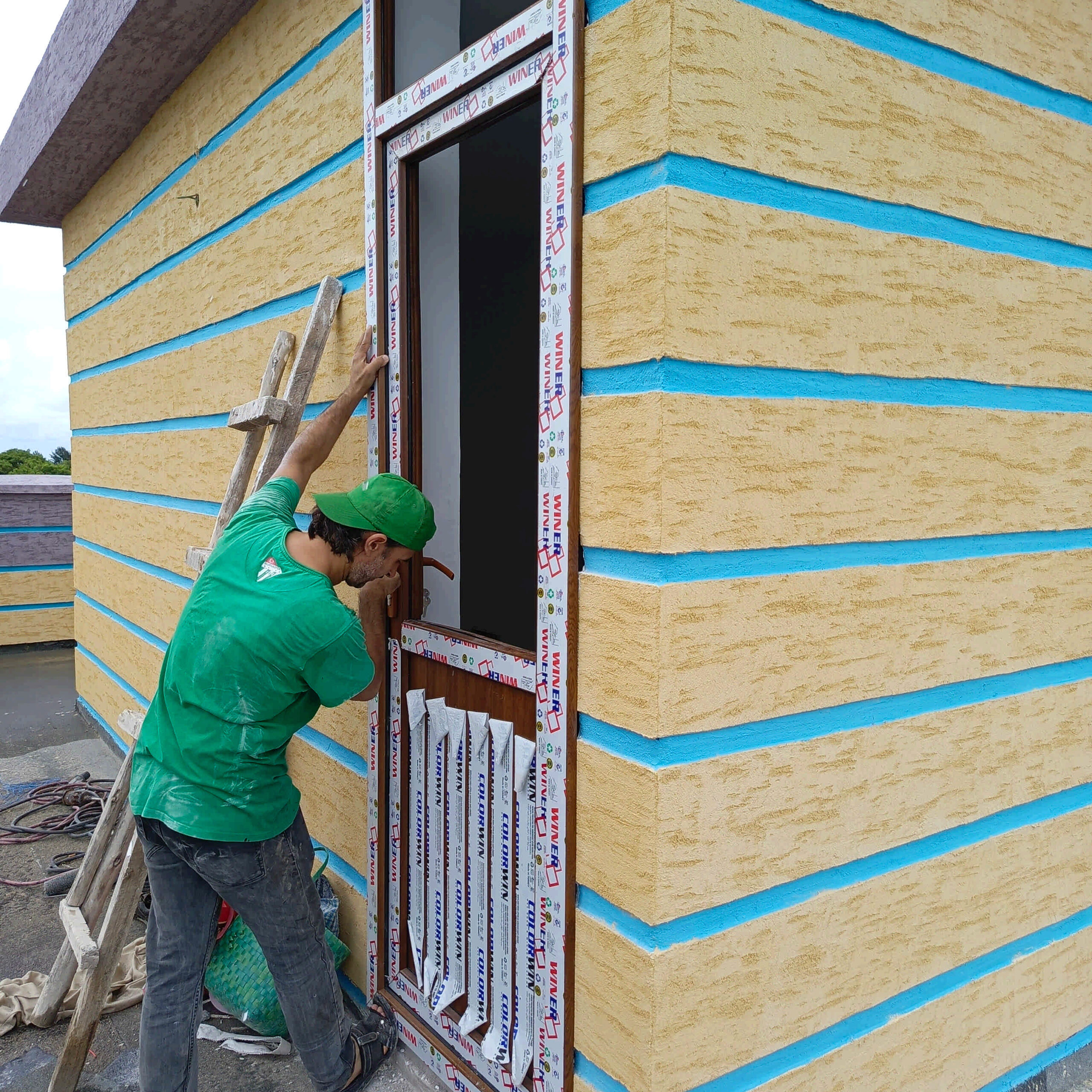
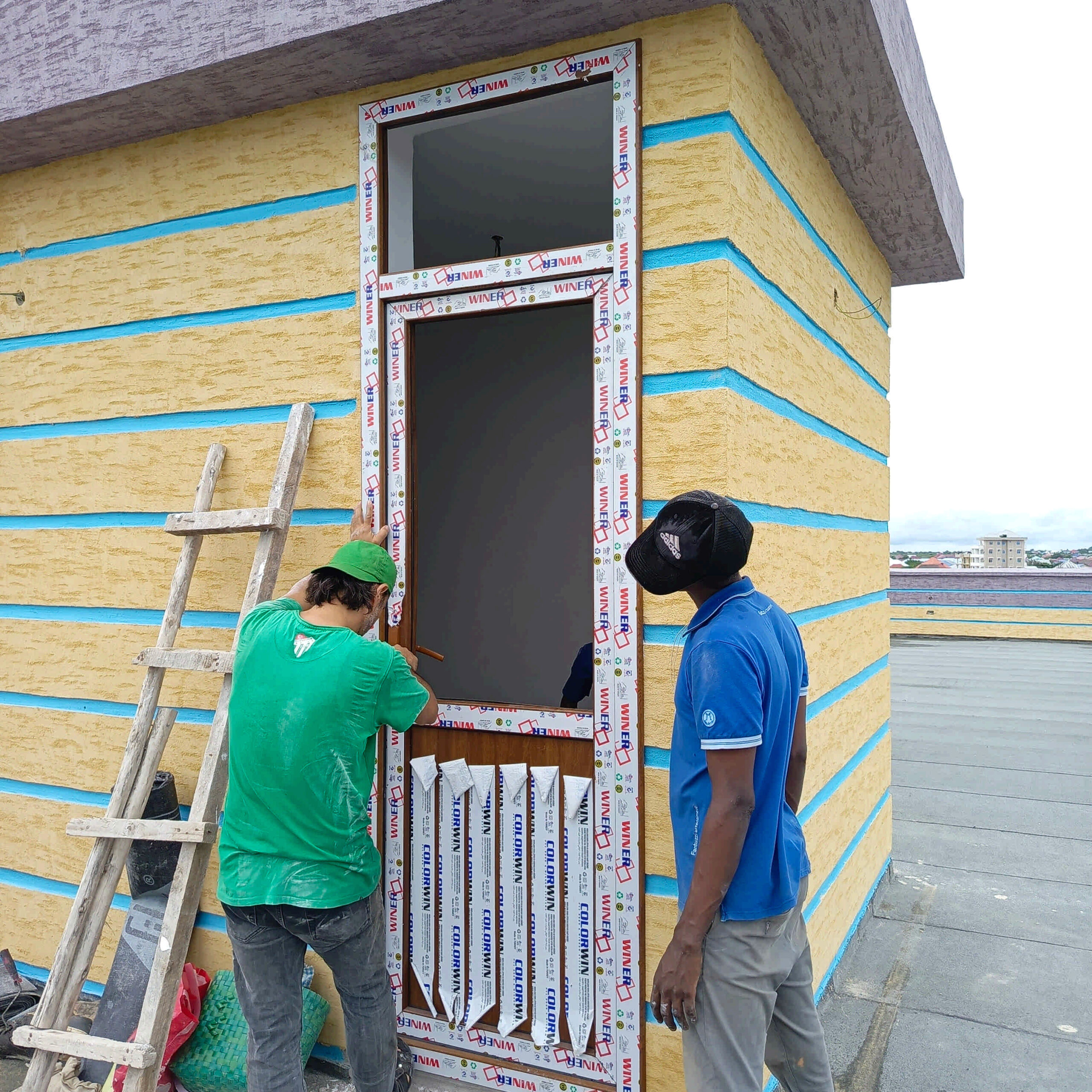
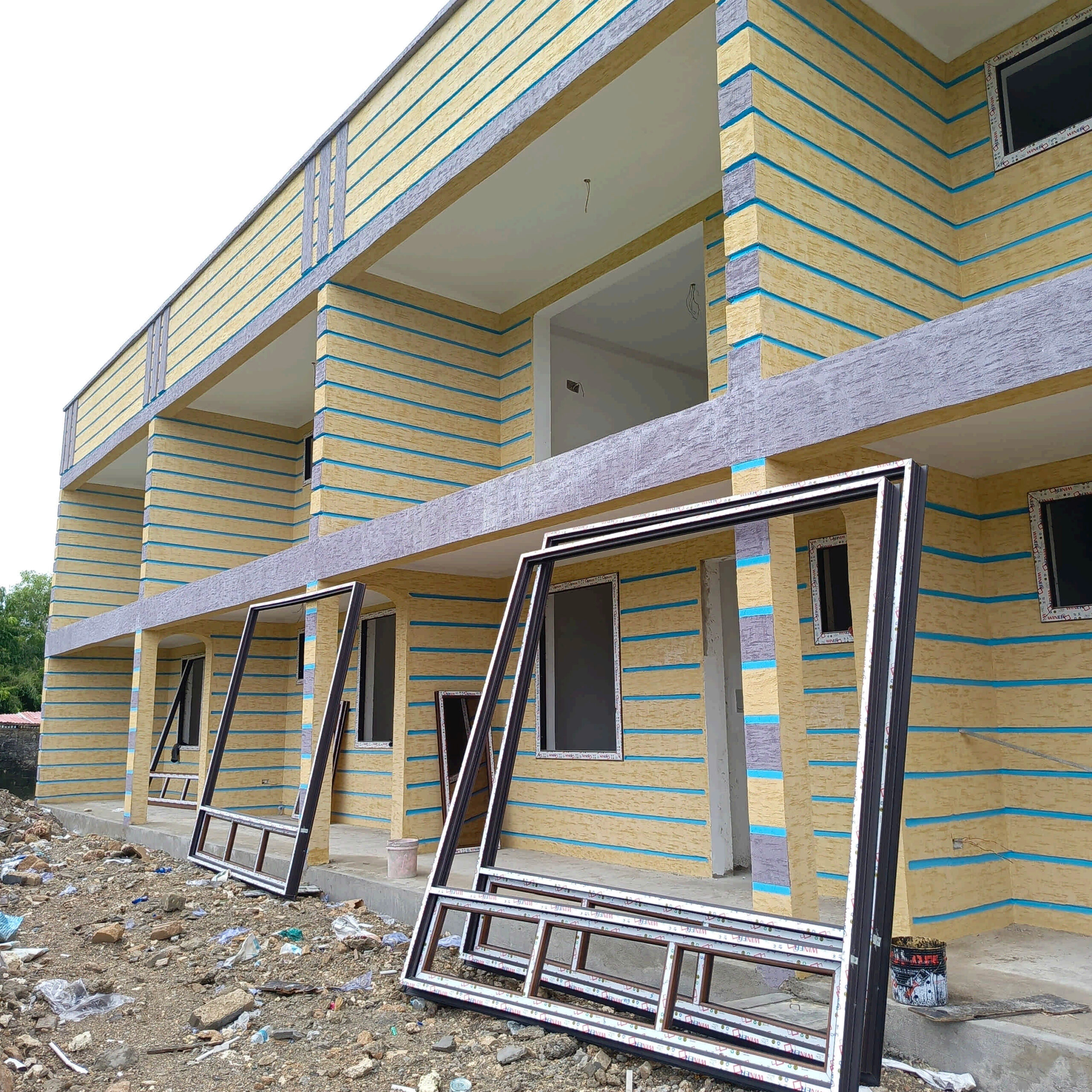
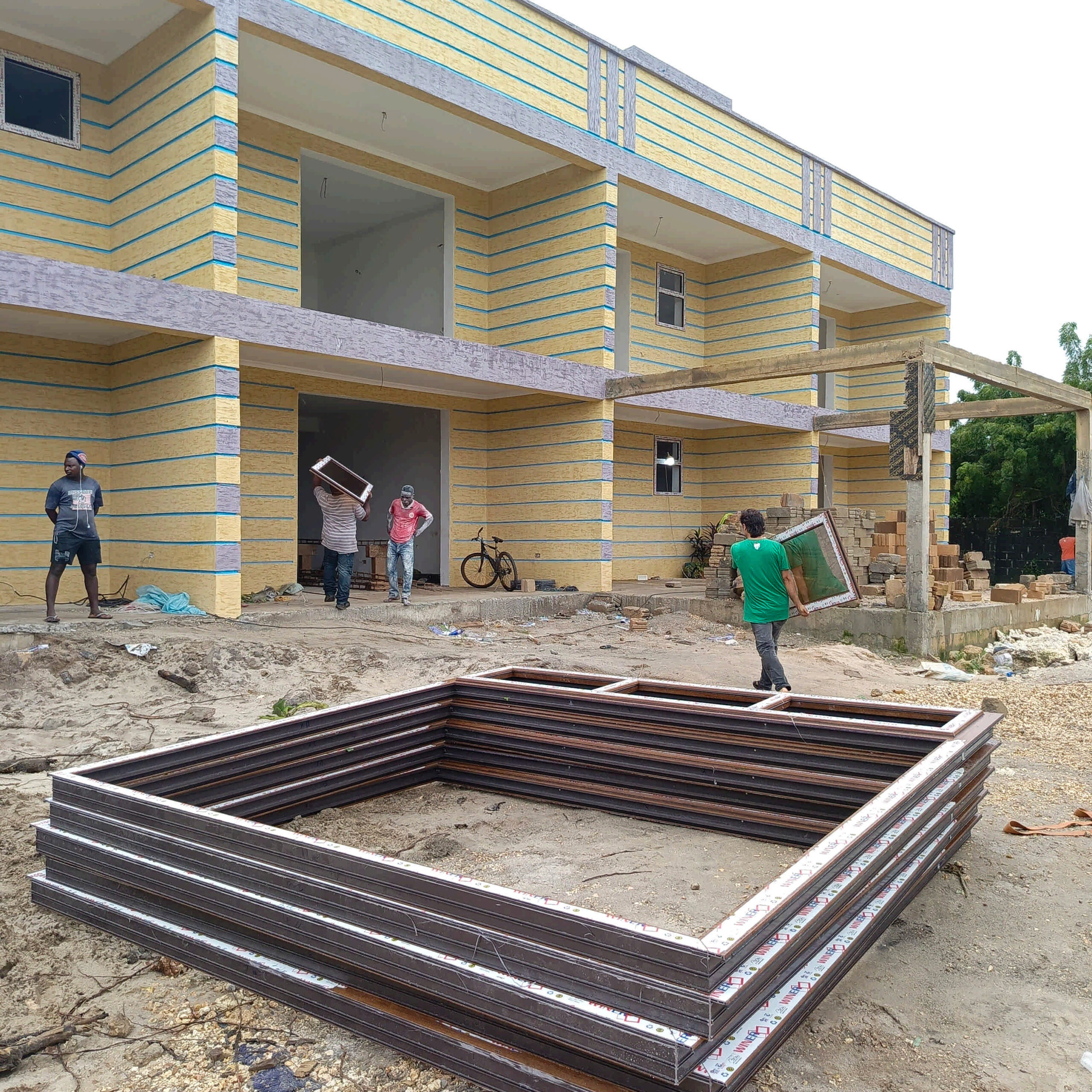
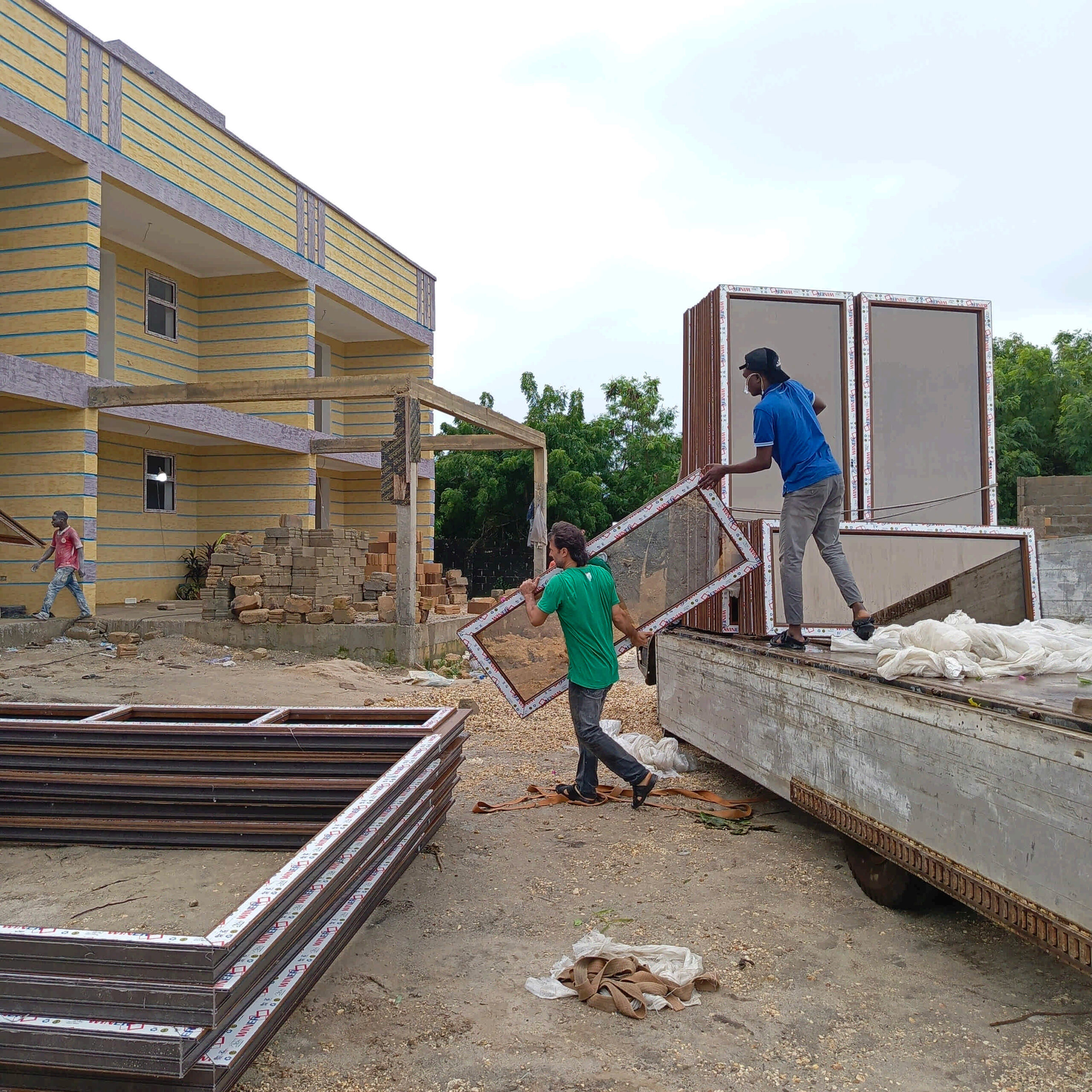
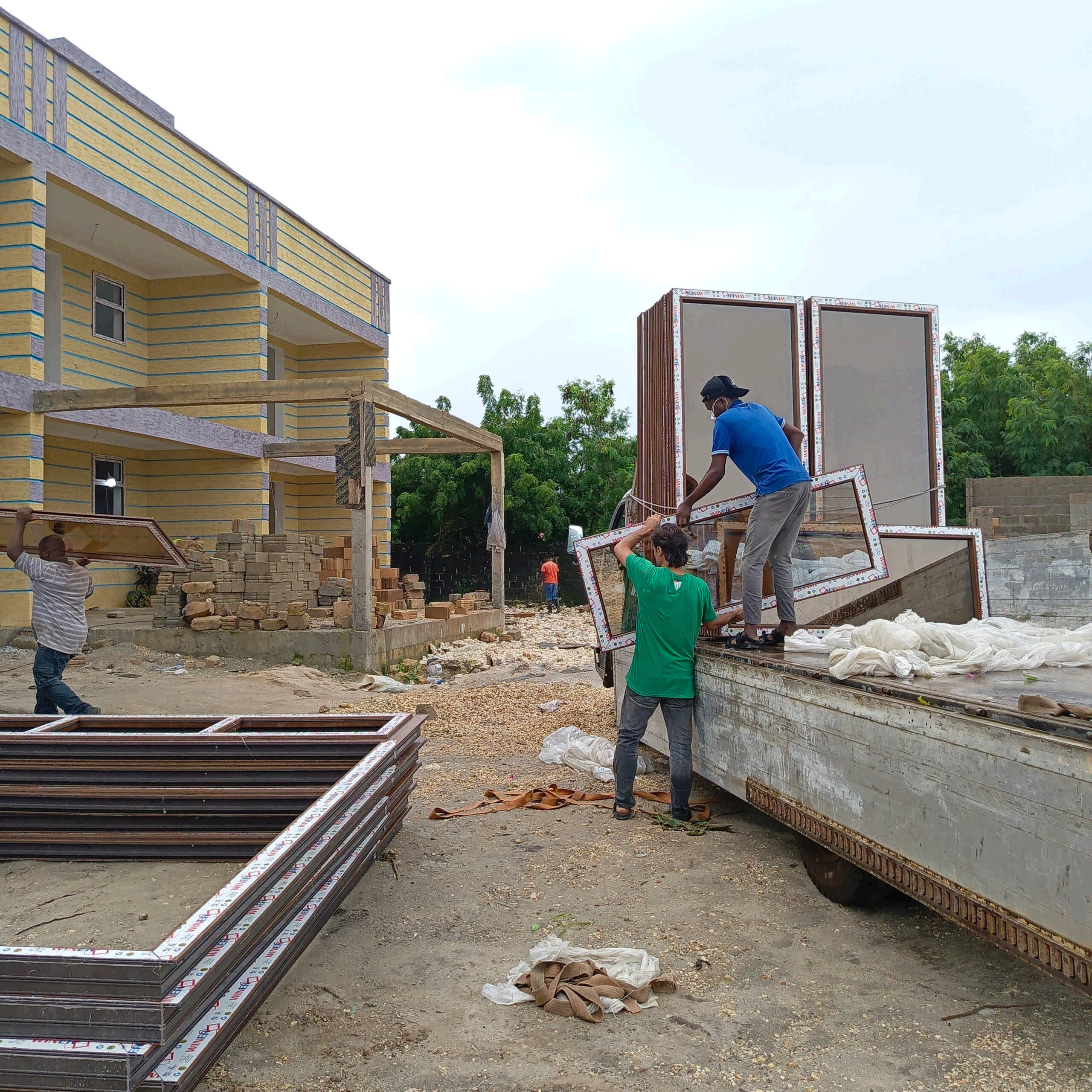
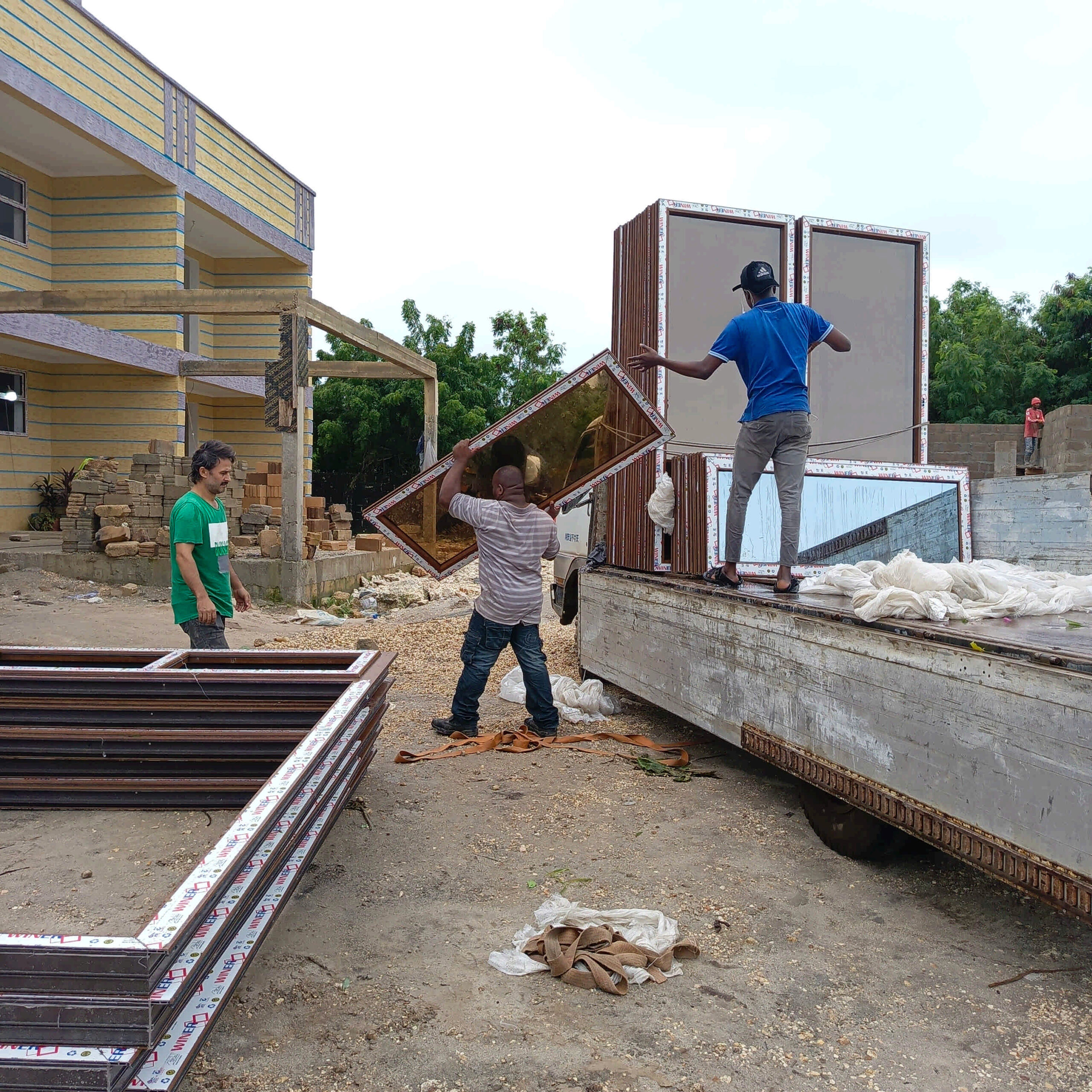
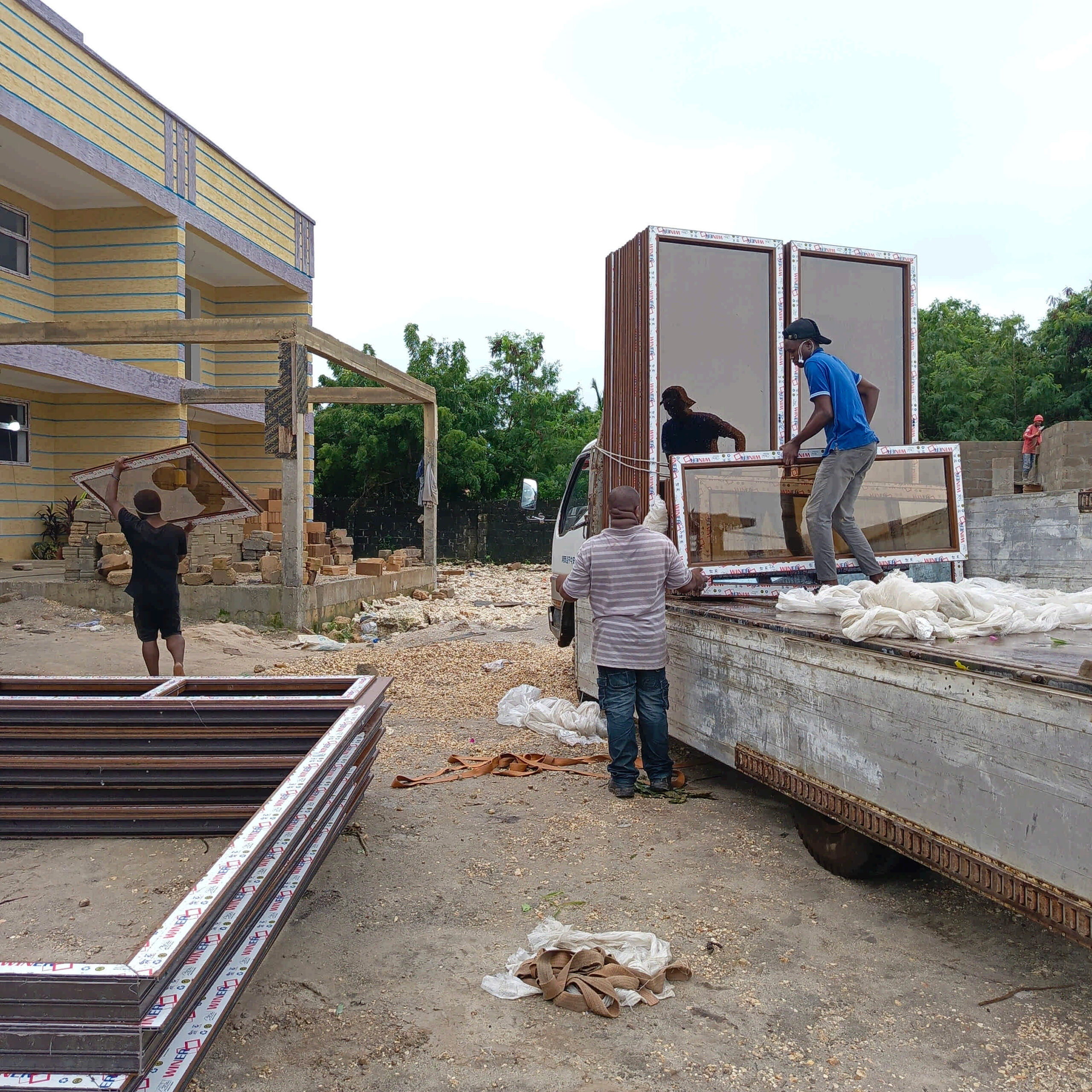
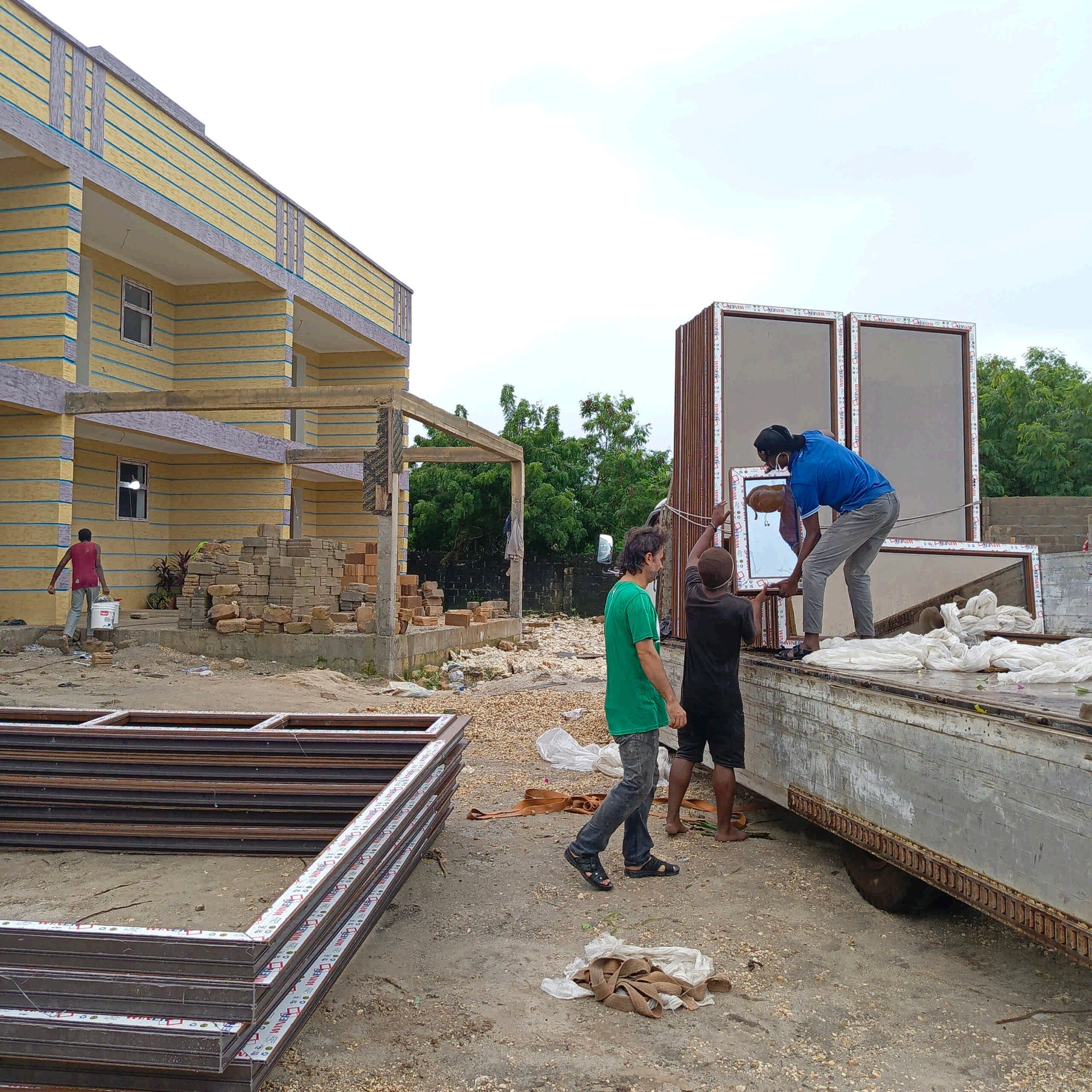
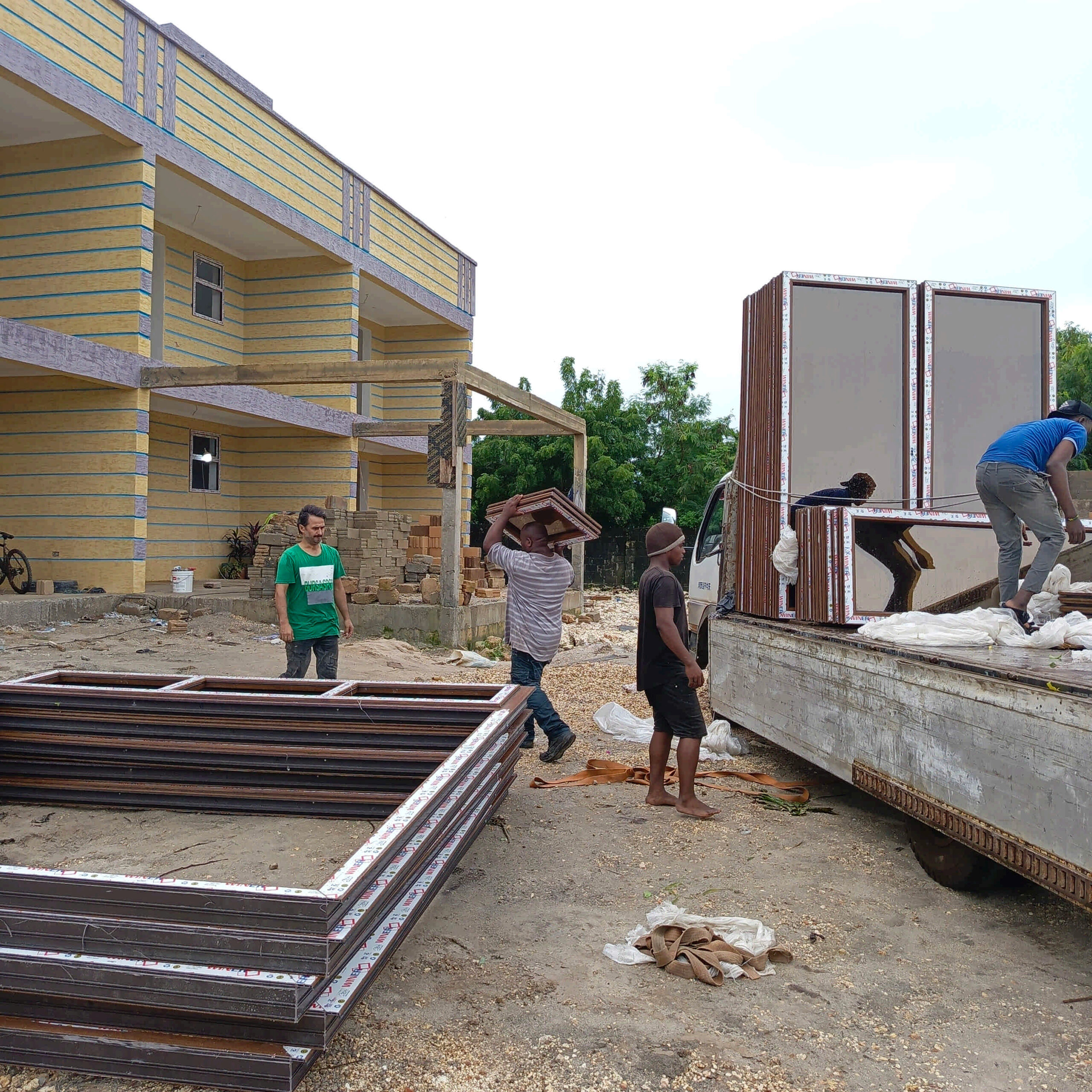
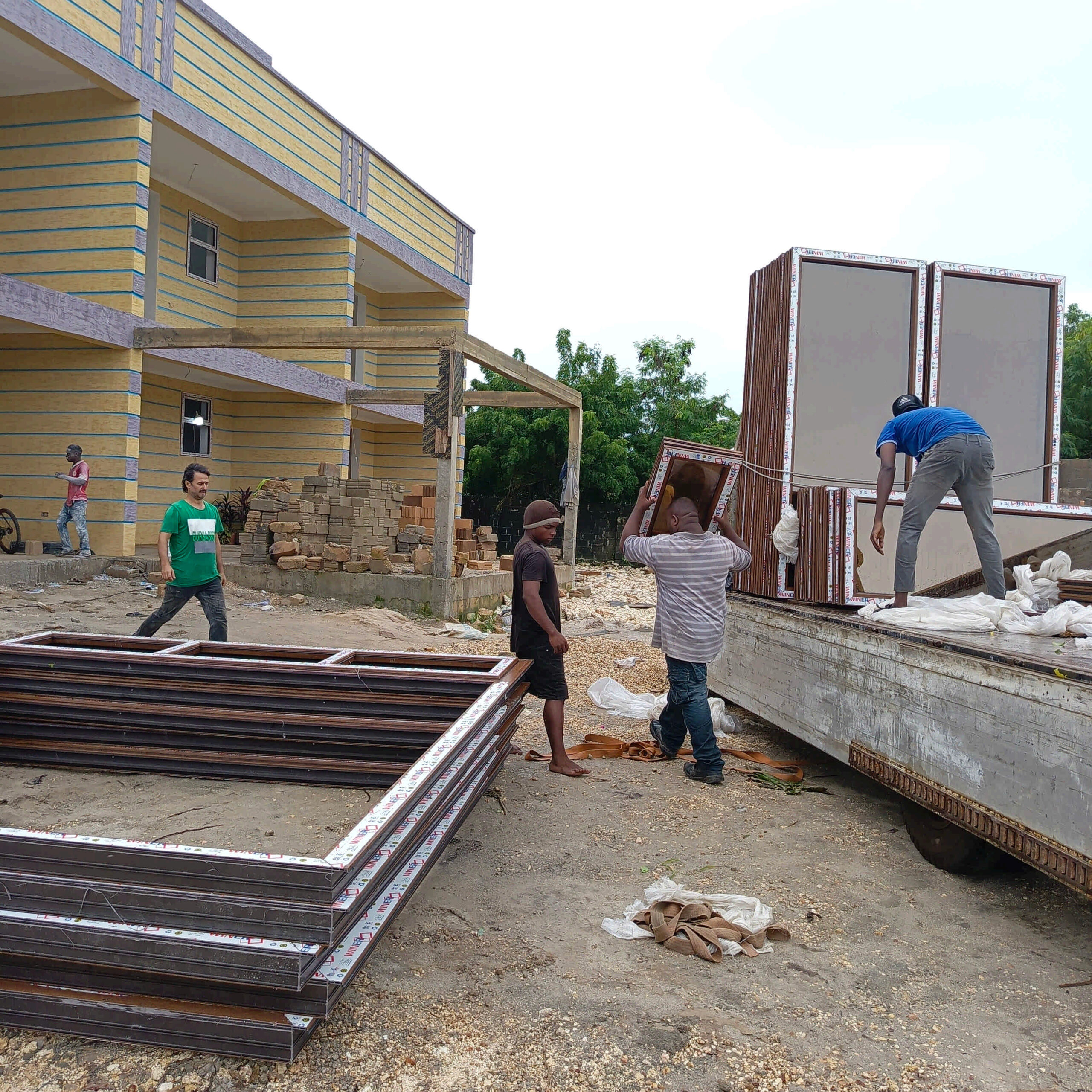
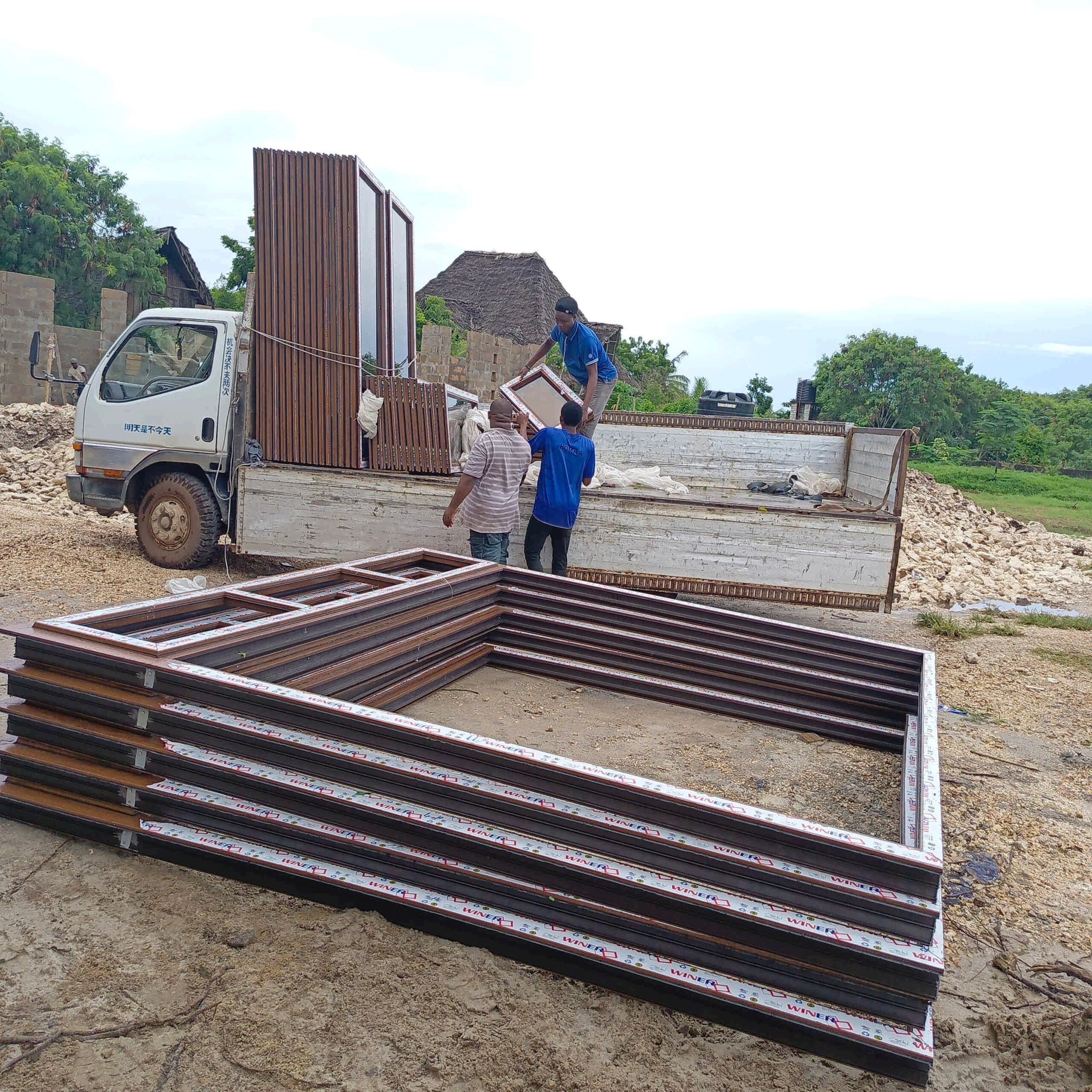
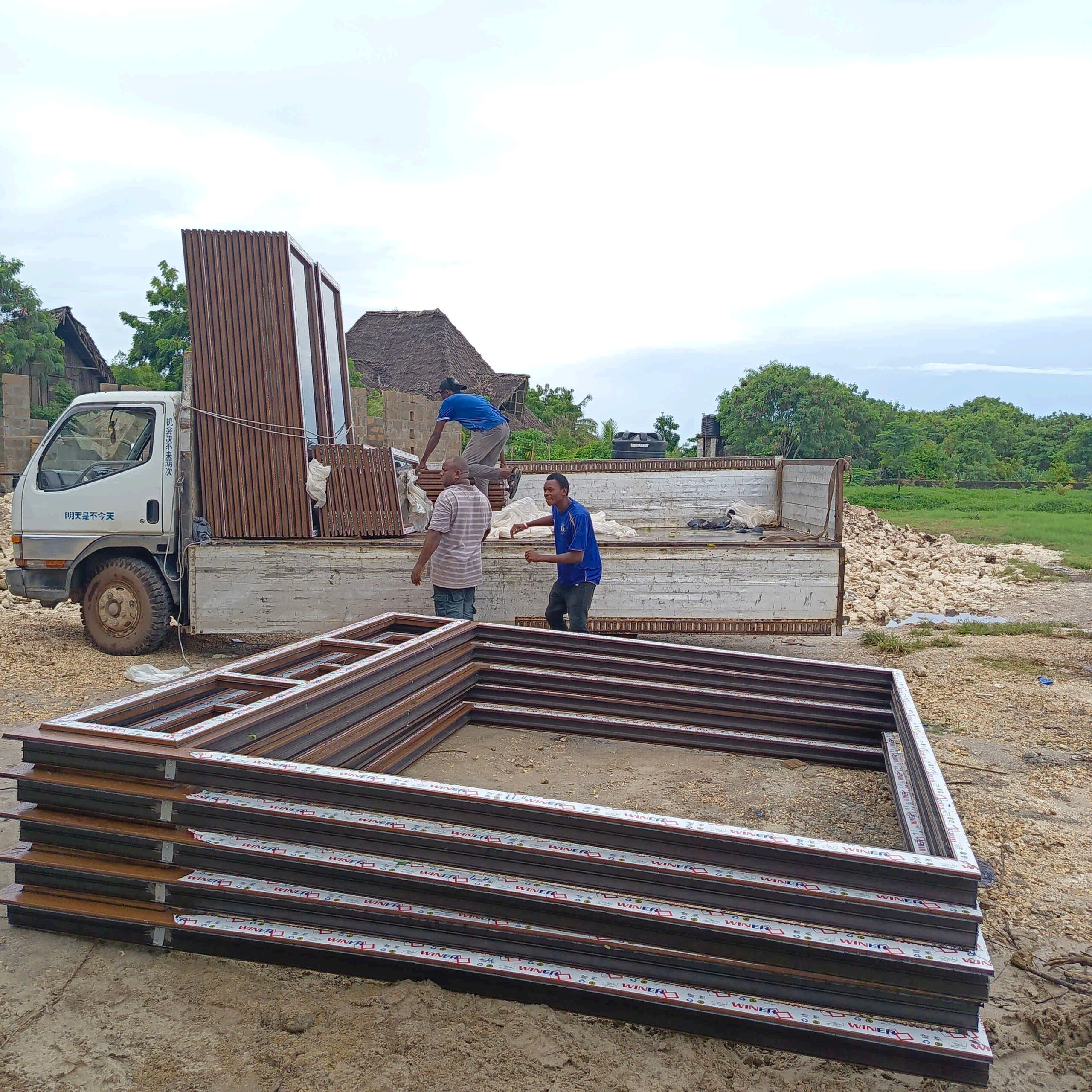
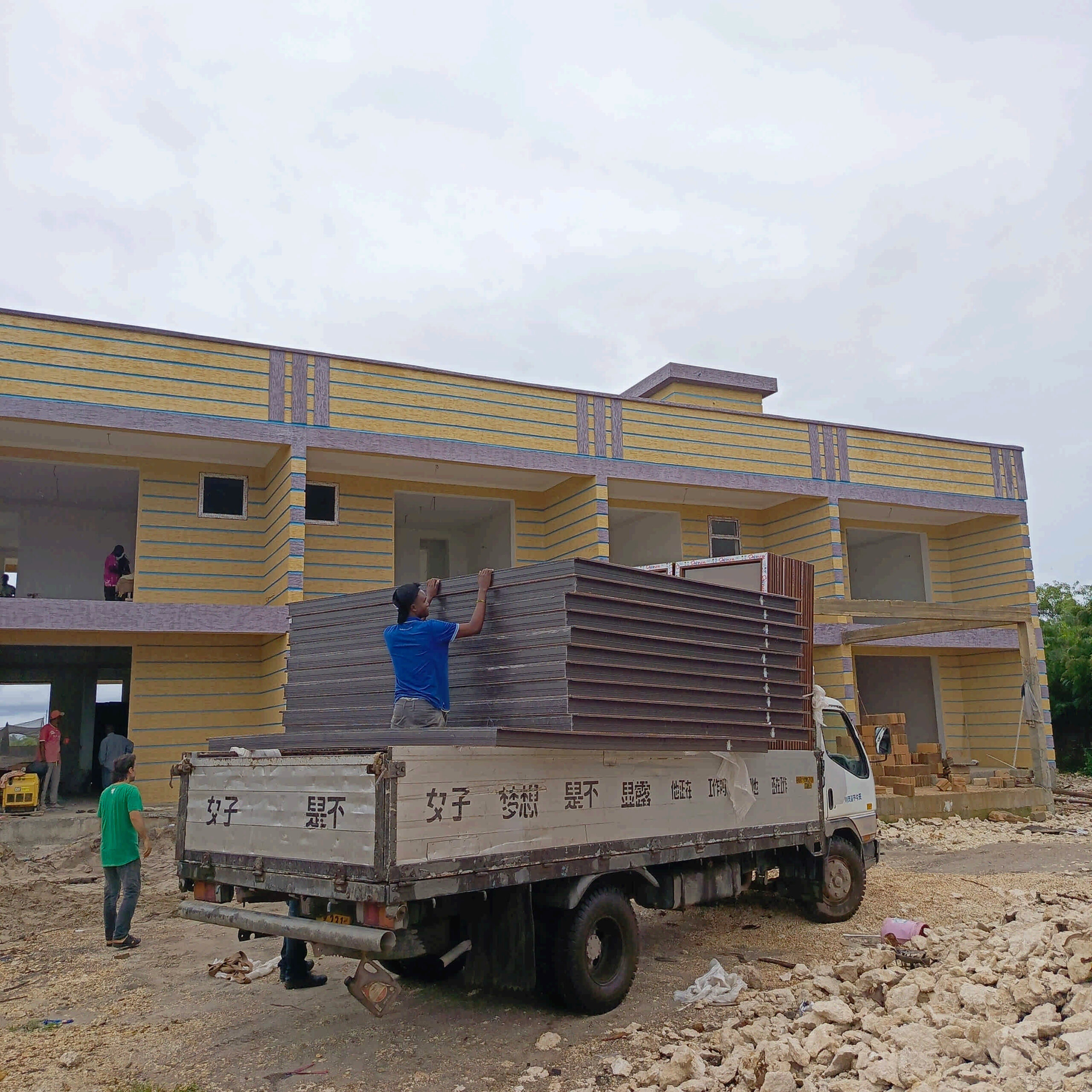
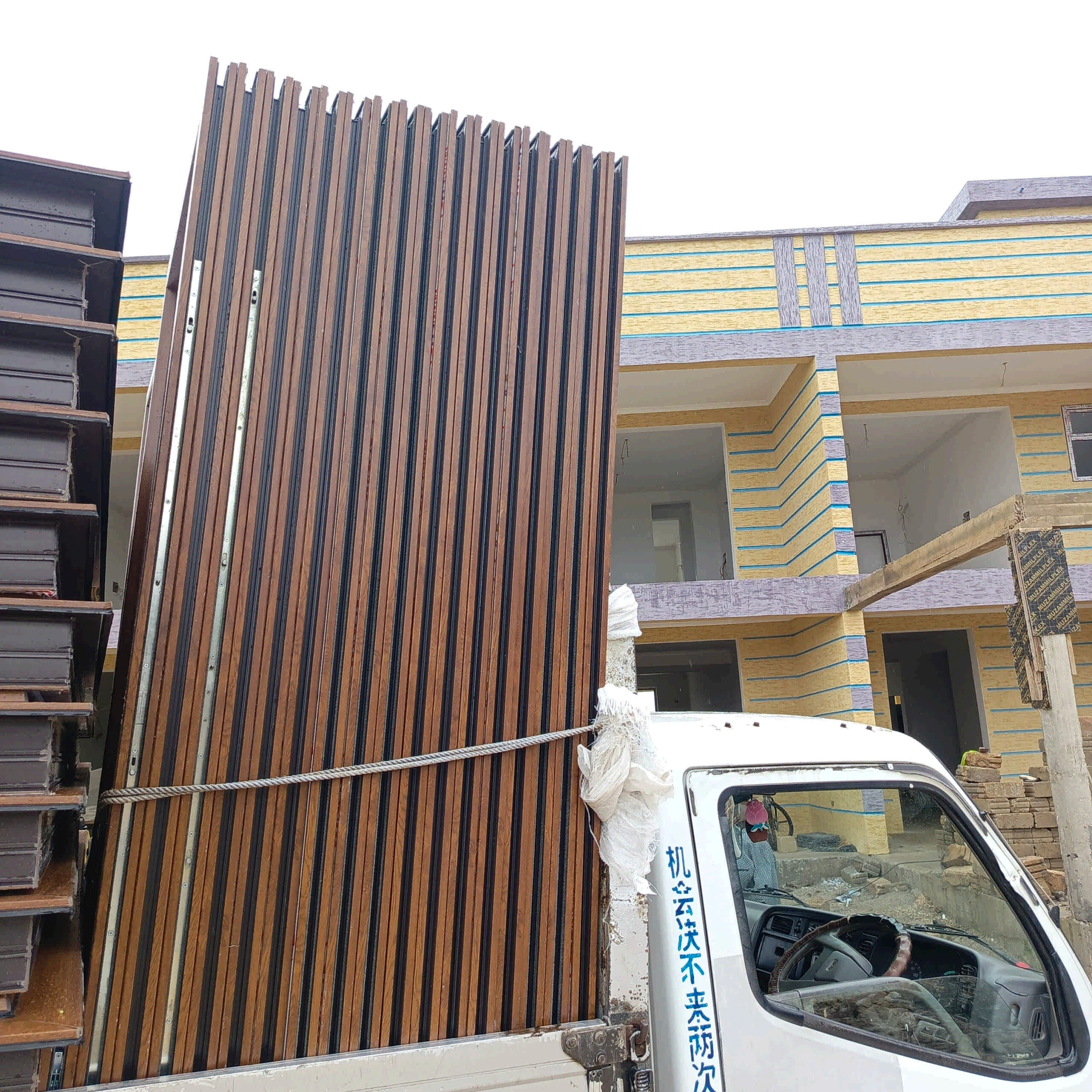
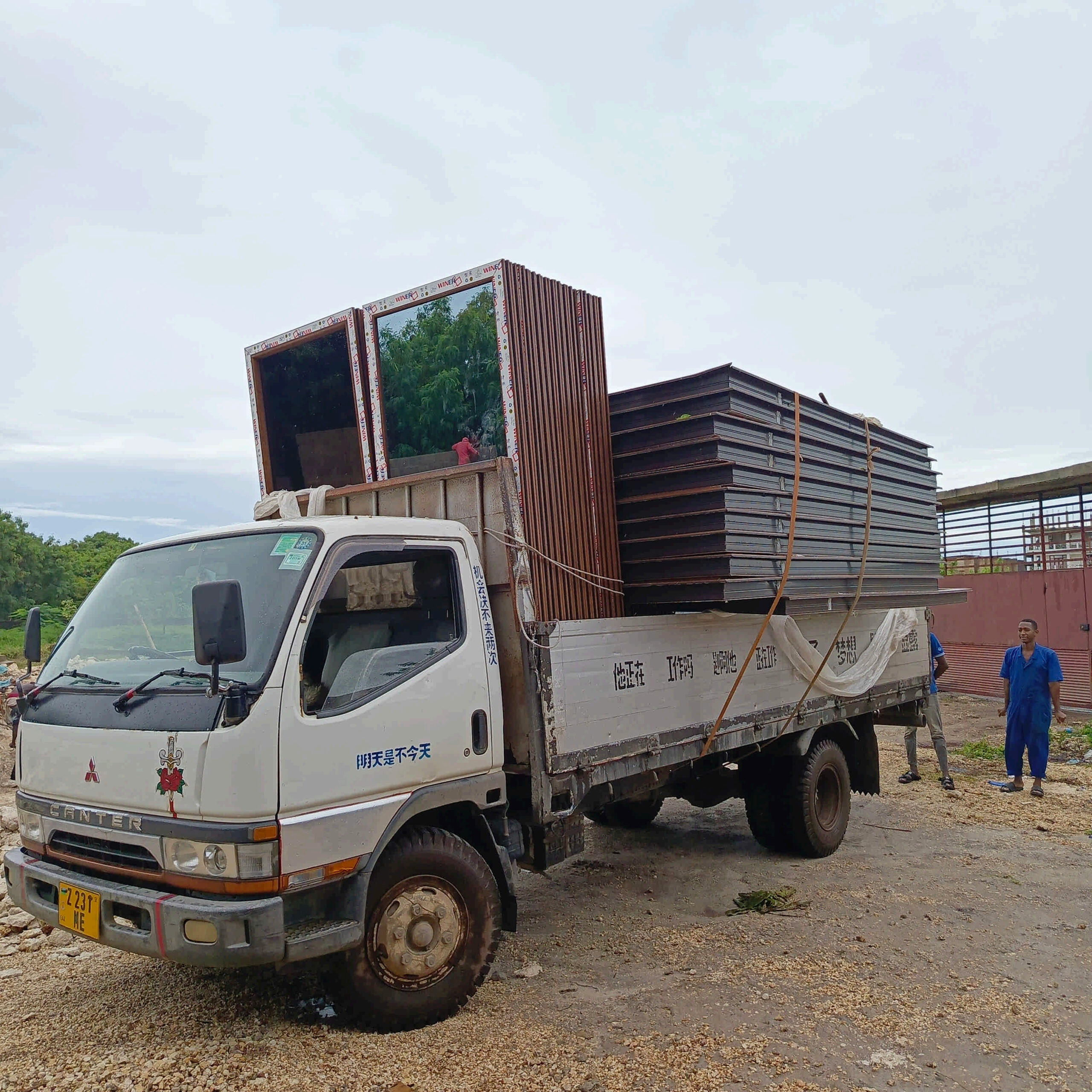
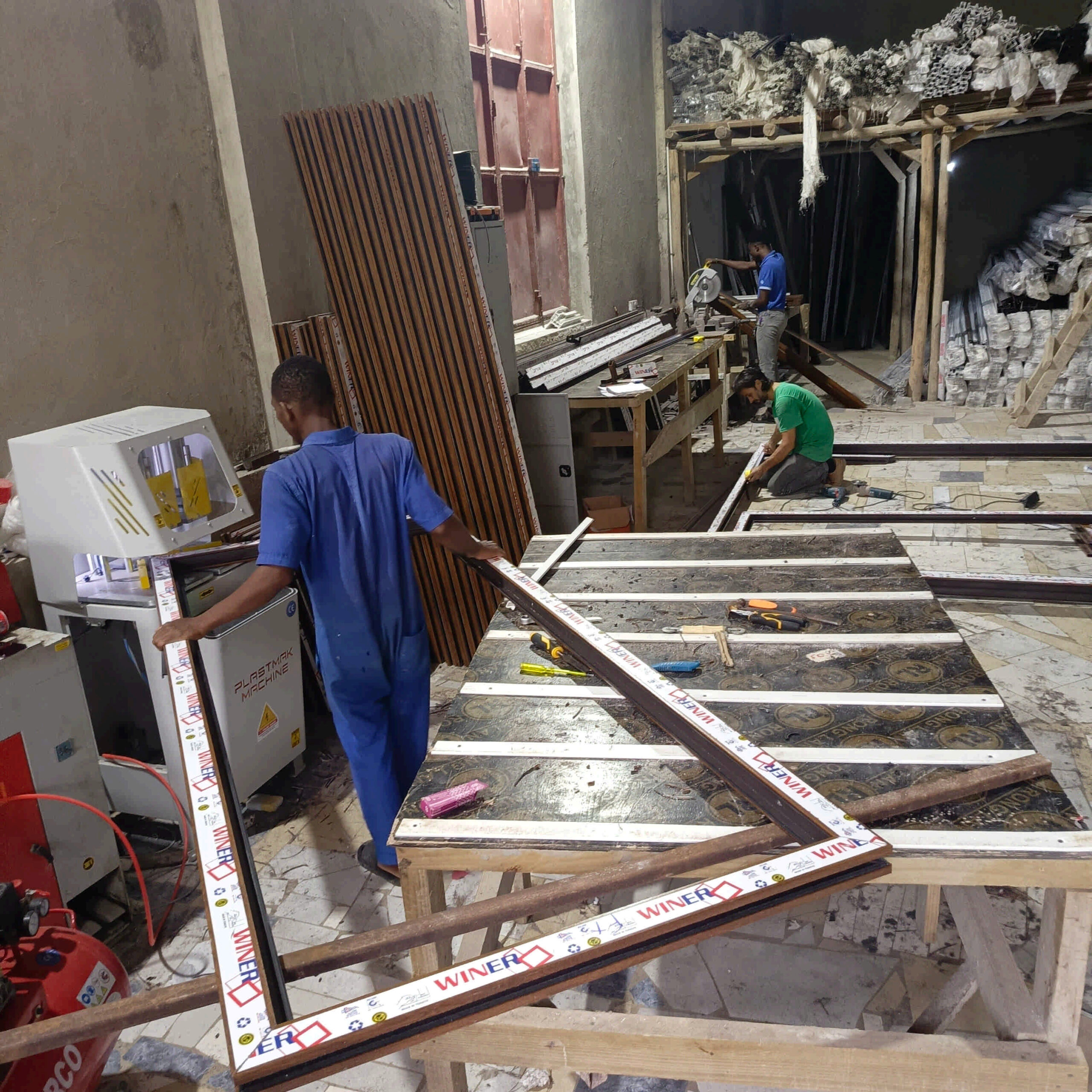
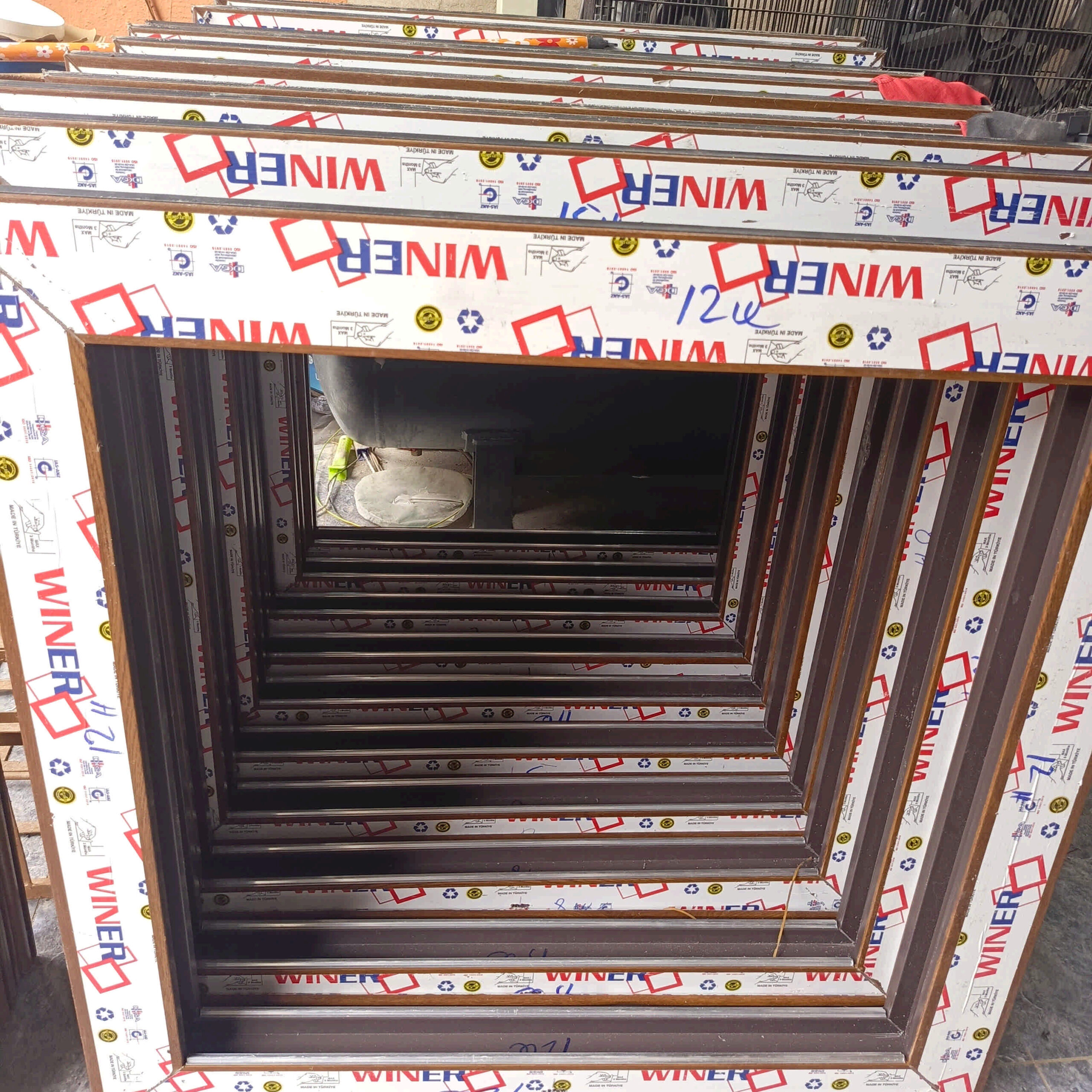
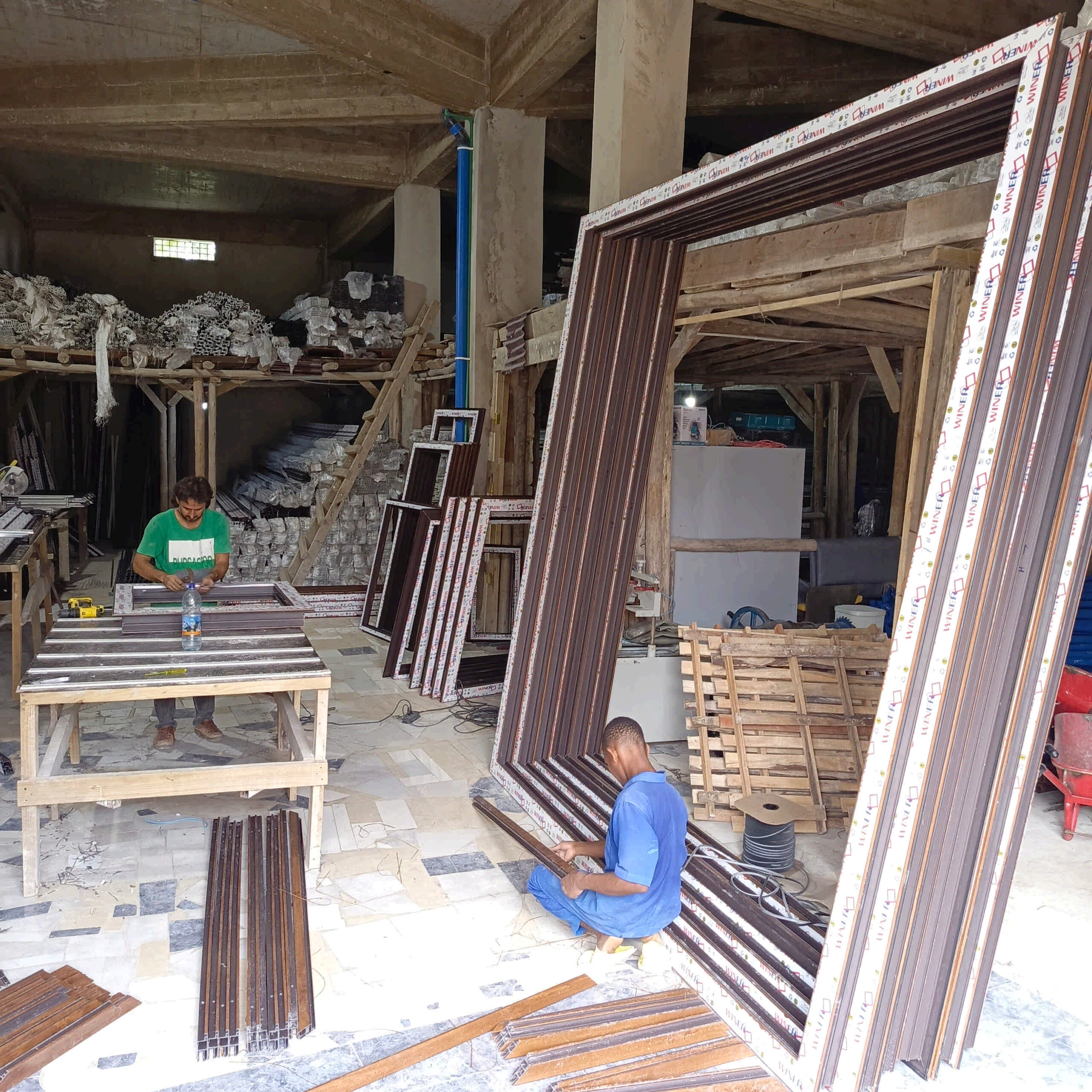
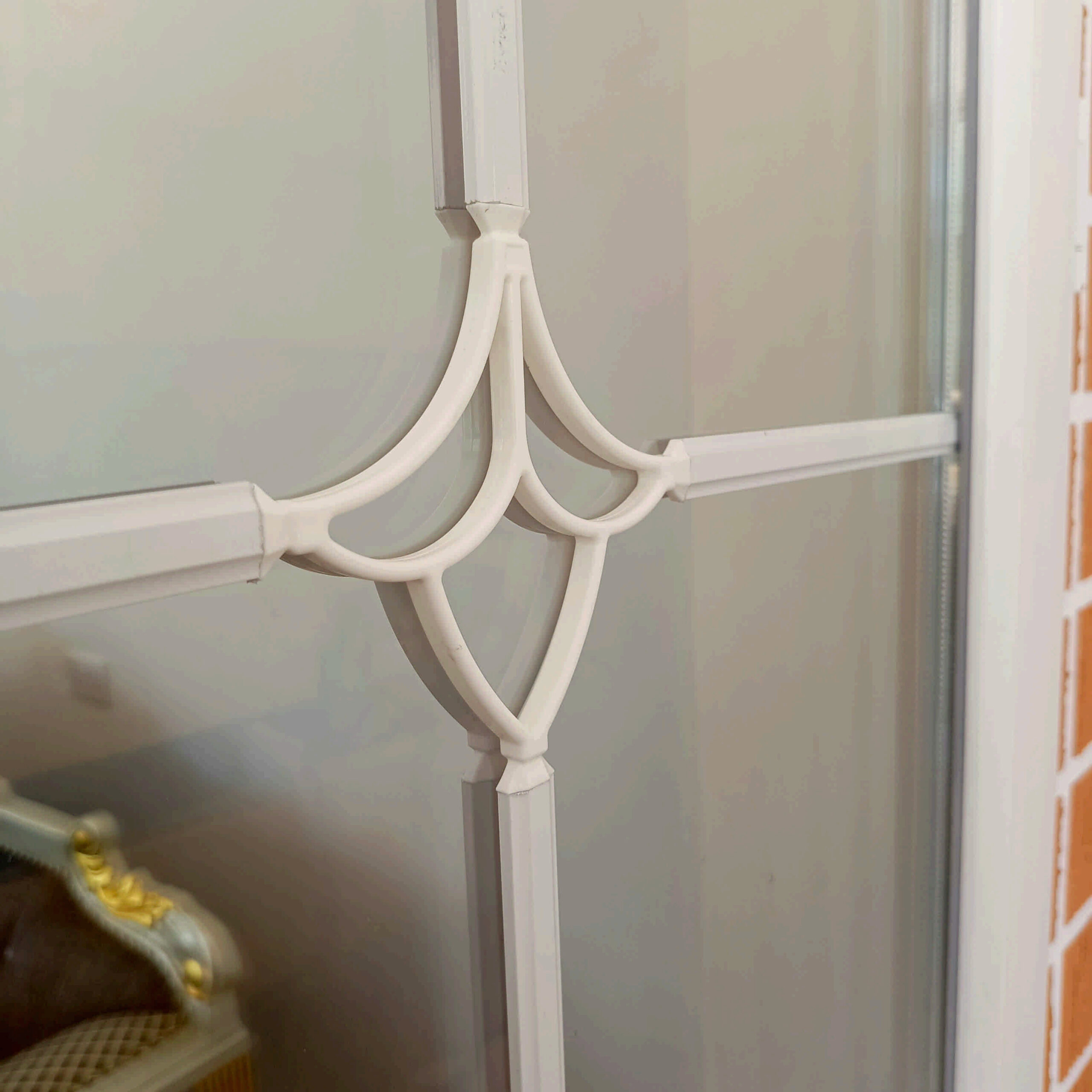
Compared to wood and aluminium materials used in the production of window profiles and doors, PVC material is more durable and functional. PVC’s abrasion resistance, light weight and good mechanical strength and toughness are very important technical advantages for its use in building and construction applications.
PVC is resistant to weather conditions, chemical decay, corrosion, shock and abrasion. For this reason, it is preferred by customers for products exposed to the open air and in many different places where long life is required. Indeed, medium- and long-life applications in the building and construction industry account for 85 per cent of PVC production.
In other applications, such as window profiles and cable insulation, studies have shown that more than 60 per cent of these have a lifespan of more than 40 years. Wood, on the other hand, is short-lived.
PVC does not require maintenance and painting, which is a definite requirement for wood. PVC is durable and well suited for long-term, maintenance-free applications. The cost of construction and use of PVC is lower than aluminium and wood.
The latest research findings on the environmental and health effects of PVC clearly show that PVC does not pose any environmental or health risks (such as cancer).
The heat transmission coefficient of PVC material is better, i.e. lower, than that of wood and aluminium materials used in window profile and door production (λPVC= 0,16 W/mK, while λALUMINUM= 200 W/Mk and λWOOD= 0,2 W/mK). Besides heat, PVC is a real insulation material against sound, moisture and similar external influences.
Construction materials such as pipes, window profiles and floor coverings can be reused at the end of their life. With this feature, PVC provides significant benefits in terms of environment and economy.